Loaded Euro pallet
1.20 × 0.80 × 1.20 m
1.15 m³ · 400 kg/units
11 / 20DC · 50 / 40HC
Add your items and quantities. The calculator totals their volume and weight, checks floor space and door clearance, then indicates the suitable container size: 20DC or 40HC.
Loading tool
Enter your items and quantities. The results account for volume, weight, floor space, stackability and door clearance.
1.20 × 0.80 × 1.20 m
1.15 m³ · 400 kg/units
11 / 20DC · 50 / 40HC
160 L model
0.9 m³ · 130 kg/units
31 / 20DC · 71 / 40HC
frames and platforms
0.6 m³ · 60 kg/units
46 / 20DC · 107 / 40HC
≈ 0.7 × 0.7 × 0.7 m
0.35 m³ · 25 kg/units
80 / 20DC · 184 / 40HC
large carrying case
0.2 m³ · 15 kg/units
140 / 20DC · 322 / 40HC
wheeled
0.6 m³ · 90 kg/units
46 / 20DC · 107 / 40HC
≈ 0.89 × 0.89 × 0.89 m
0.7 m³ · 90 kg/units
40 / 20DC · 92 / 40HC
foldable
0.2 m³ · 12 kg/units
140 / 20DC · 322 / 40HC
3.6 × 1.0 × 2.3 m
8.3 m³ · 1,600 kg/units
0 / 20DC · 3 / 40HC
0.90 × 0.90 × 0.90 m, 1 m³
0.73 m³ · 1,600 kg/units
12 / 20DC · 17 / 40HC
1.20 × 0.80 × 1.00 m, non-stackable
0.96 m³ · 1,200 kg/units
11 / 20DC · 23 / 40HC
metal
0.2 m³ · 25 kg/units
140 / 20DC · 322 / 40HC
What We Do
Usable internal dimensions
Compare the usable internal dimensions and external footprint of the two container sizes used by the calculator.
Usable volume is calculated from internal dimensions. External dimensions are used to plan the footprint and access.
Volume alone is not enough to validate a load. An item may fit within the total volume but fail to pass through the door, occupy too much floor space or exceed the payload capacity.
The calculator assesses these constraints separately. It provides a planning estimate; a final loading plan must use the actual dimensions and weight of each item.
FAQ
Explore
Full cost-of-ownership analysis and a decision framework to guide your procurement strategy.
Read the guideDimensions, payload capacity, and cost-per-CBM comparison to select the right container format.
Read the guideUnderstand the core difference between Shipper-Owned and Carrier-Owned container programs.
Read the guideGrade-by-grade analysis, price differentials, and practical fit criteria for equipment condition.
Read the guideCompare Cargo Worthy (CW) and Wind & Watertight (WWT) shipping containers, inspection criteria, transport eligibility, storage suitability, US pricing and how to choose.
Read the guideOne Trip vs Cargo Worthy shipping containers, lifespan, corrosion risk, appearance, ROI, US pricing and use cases to decide which grade fits your purchase.
Read the guideUnderstand the difference between New, IICL, CW, WWT and As-Is grades. Choose the right condition for your needs.
Read the guideCompare 20ft, 40ft and 40HC dimensions, capacities and use cases. Find the right size for your cargo.
Read the guideWhat is a CSC plate, why it matters, and what to check before accepting a container for sea transport.
Read the guideHow SOC one-way leasing works, who it's for, and how it compares to round-trip leasing.
Read the guideStep-by-step guide to buying a shipping container: grades, inspection, delivery and pricing.
Read the guideOverview of standard container formats including dry, high cube, reefer, flat rack, and open top containers.
Read the guideColour records who owned the box, not its condition — and what you must not paint over.
Read the guideStep-by-step shipping container delivery guide for US buyers, truck access requirements, tilt-bed vs crane offload, common delivery issues and a pre-delivery site checklist.
Read the guideHow to prepare the ground for a shipping container: gravel pad, concrete piers or slab foundation, leveling, drainage and delivery-vehicle access.
Read the guideThe seven fraud patterns in container trading, the signals that give them away, and a twenty-minute verification procedure.
Read the guideWhat an inland depot does, how it differs from a port terminal, what it charges for, and how to choose one for pickup or drop-off.
Read the guideWhy containers sweat and how vents, desiccant and insulation keep stored goods dry.
Read the guideSpans, roof kits, clearance, anchoring and permits for a covered bay between two containers.
Read the guideCSC approval and seaworthy (cargo worthy) certificates answer different questions: who issues each, what they cover, how long they last, which you need.
Read the guideIndicative ex-depot ranges by size, grade and city, reviewed monthly, and what a quote should include.
Read the guideExplore

Leasing, trading, releases, returns and invoicing on one container record: why MG-Atlantic runs all of its container operations on Krak Stack.
Read the note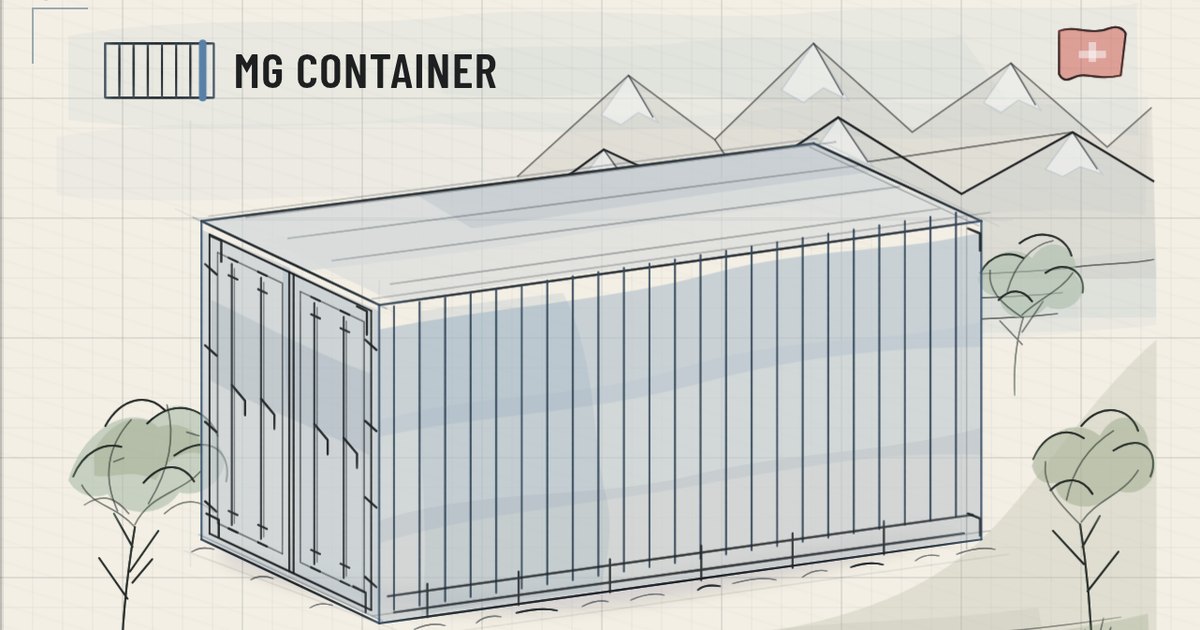
MG-Atlantic launches MG Container, its Swiss shop: new and used containers, to buy or to rent, delivered customs-cleared anywhere in Switzerland.
Read the note
US imports were forecast to peak in September 2026. Where those boxes are emptied, why the inland pool of empties follows weeks later, and what it means for buyers.
Read the note
The canal cut daily transits to 32 and lowered Neopanamax draft. What a water-driven restriction does to container repositioning, and where empties accumulate.
Read the note
Gate fees, lifts, per-day storage, survey, cleaning, repair — what a container depot invoices, and why the same box costs more to keep in one port than another.
Read the note
When vessels route around the Cape instead of through Suez, the equipment consequences outlast the schedule ones. What longer rotations do to container availability, and how to plan around them.
Read the note
Containers accumulate where cargo arrives and disappear where it departs. How trade imbalance shapes what you can actually collect, port by port.
Read the note
Container supply moves on a predictable annual rhythm — pre-holiday export rushes, factory shutdowns, and the quiet weeks that follow. What to plan around.
Read the noteExplore
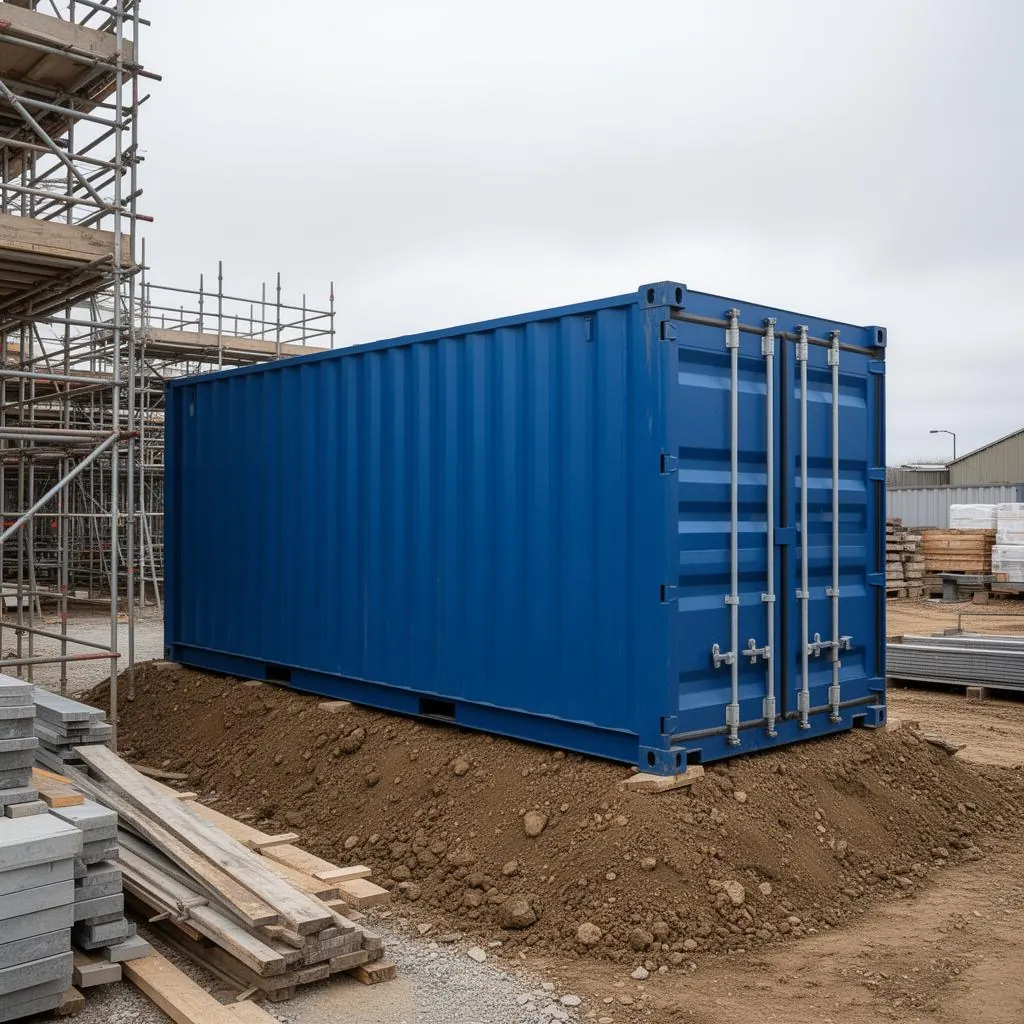
Secure tool storage, site offices, modular workshops, and temporary infrastructure for BTP and civil engineering projects.
Explore the use case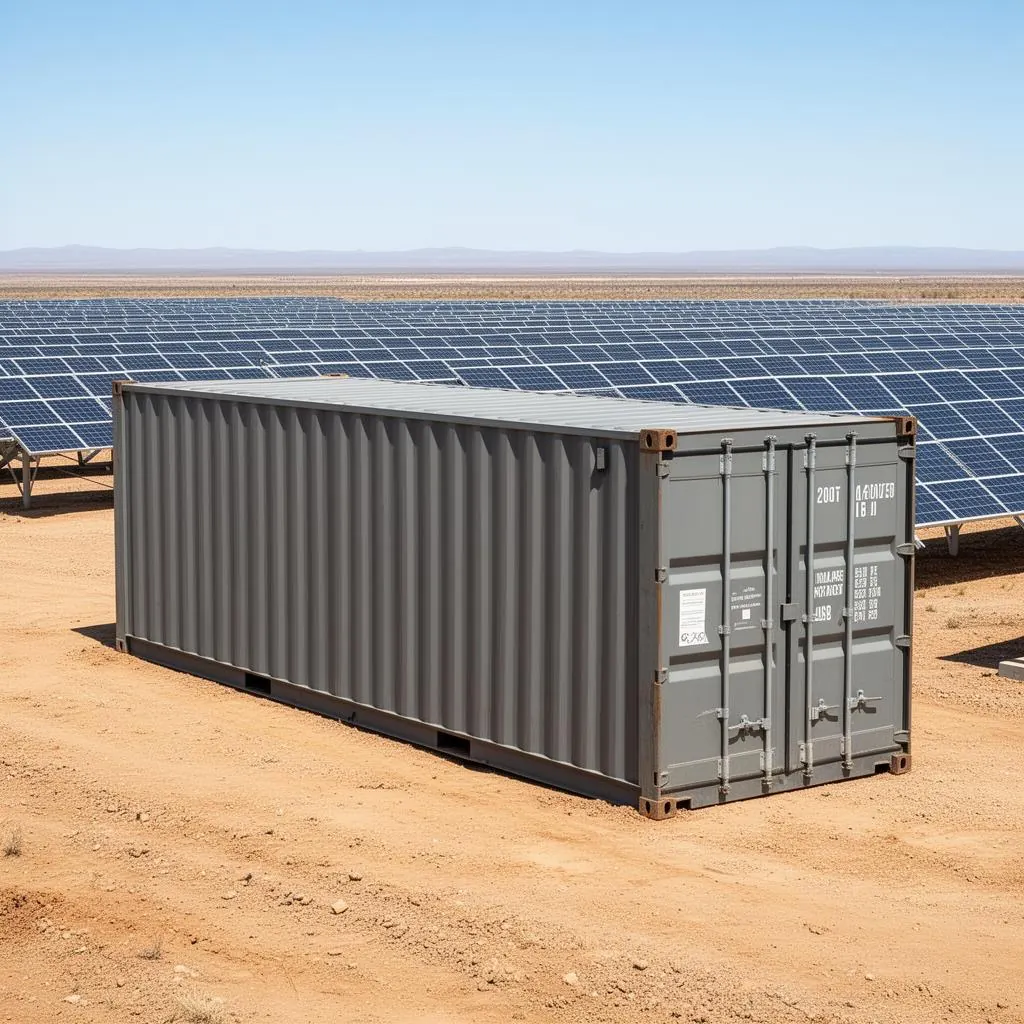
Containerized battery storage systems, remote site equipment housing, and renewable energy project logistics.
Explore the use case
Pop-up venues, hospitality units, and modular retail spaces for temporary brand experiences and events.
Explore the use case
Overflow inventory management, temporary fulfilment hubs, and seasonal storage capacity for e-commerce operations.
Explore the use case
One-way leasing strategy for freight forwarders and NVOCCs. Reduce repositioning costs while maintaining fleet flexibility.
Explore the use case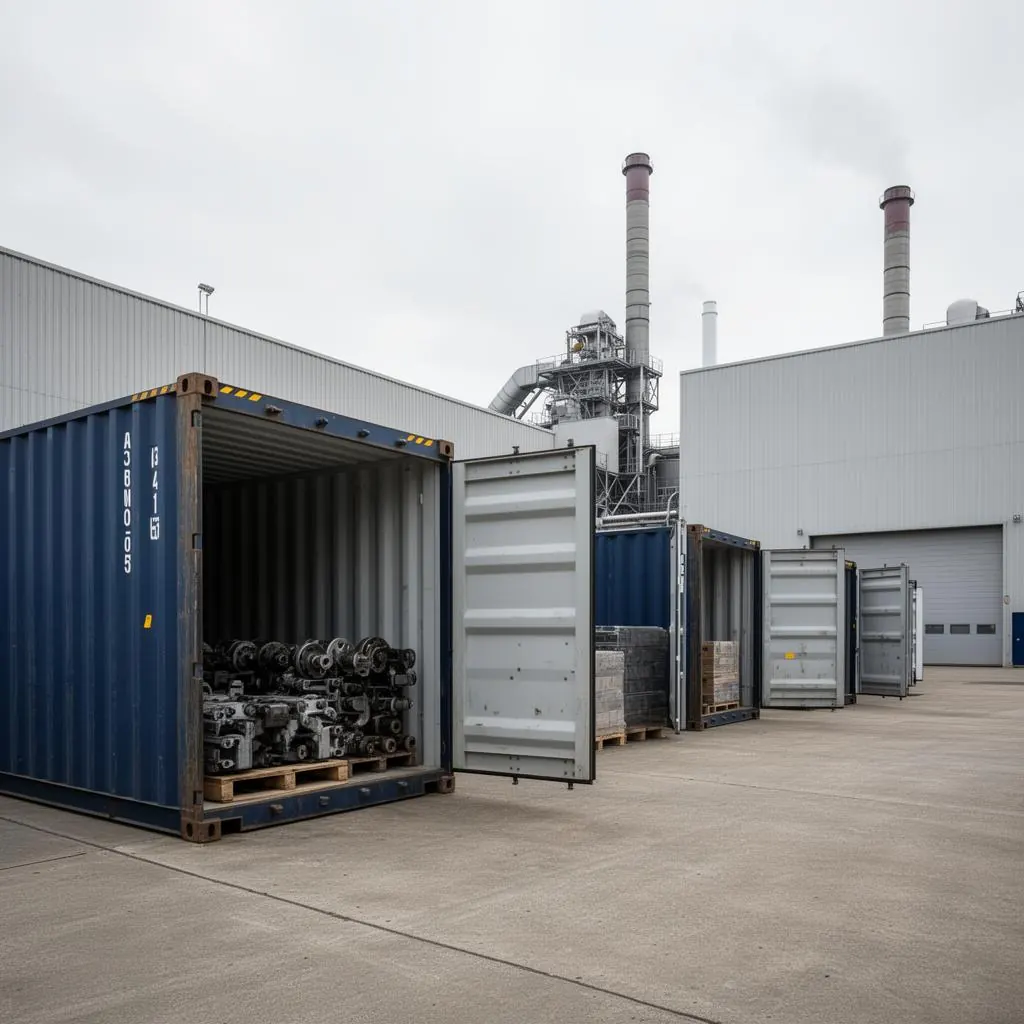
Long-term container deployments for industrial sites. Modular, scalable storage without permanent construction costs.
Explore the use case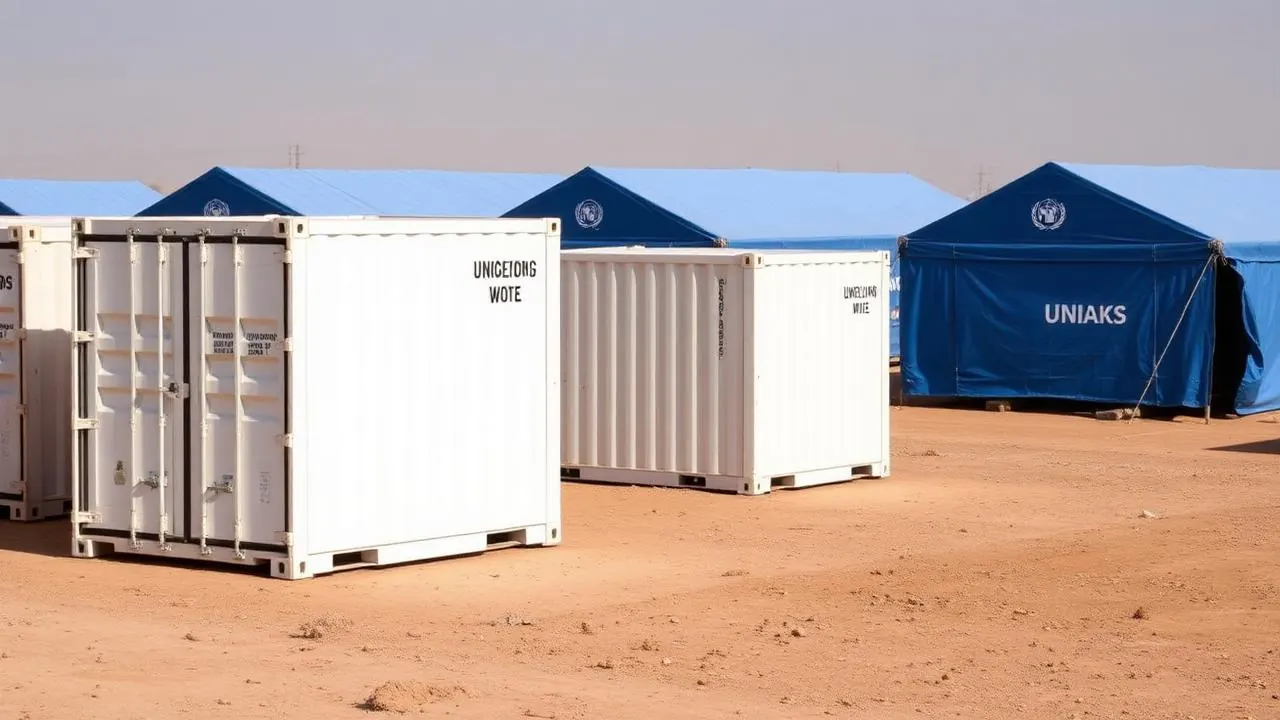
Rapid deployment container solutions for crisis zones, NGOs, and emergency logistics operations.
Explore the use case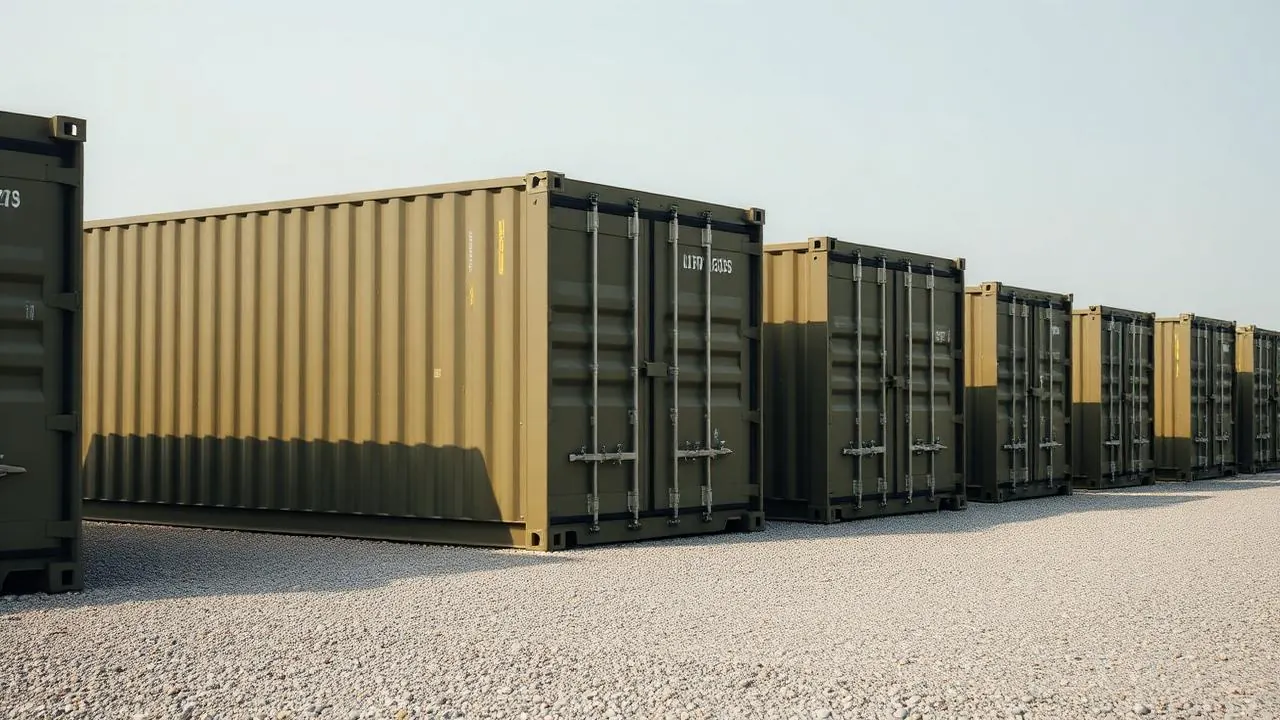
Secure and reliable container solutions for defense operations and sensitive equipment transport.
Explore the use case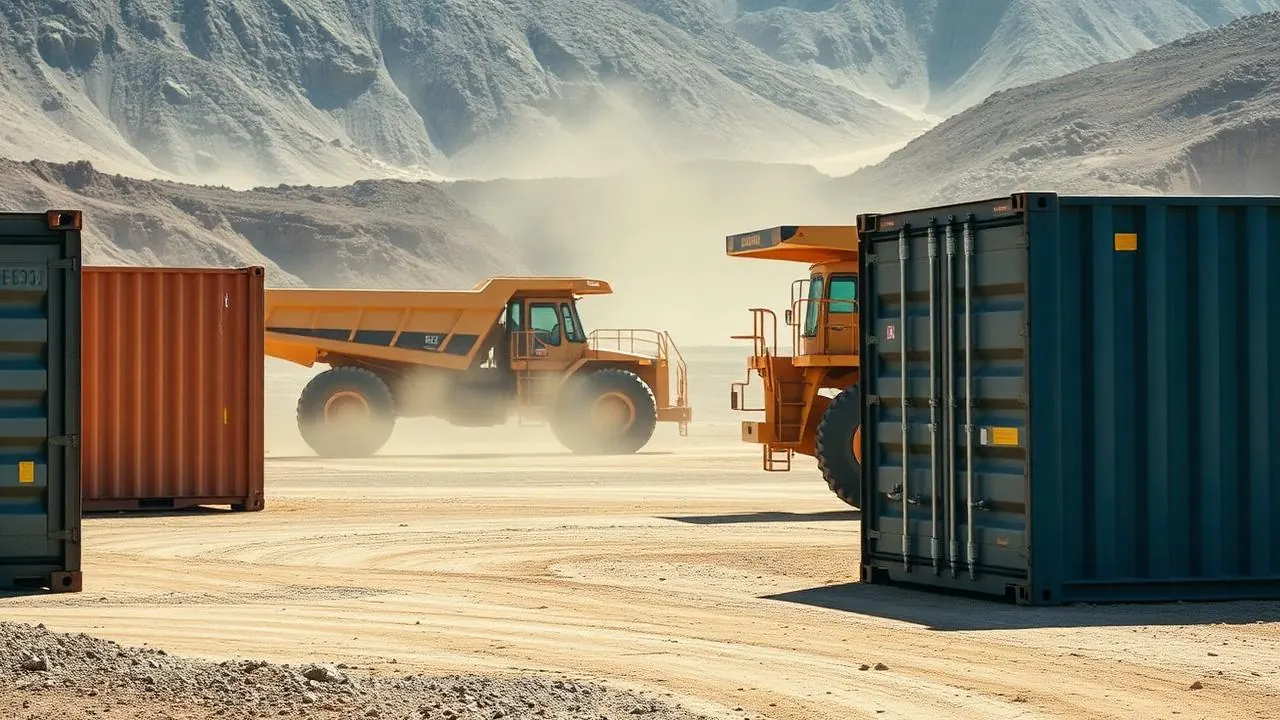
Robust container solutions for remote industrial sites and harsh environment deployments.
Explore the use case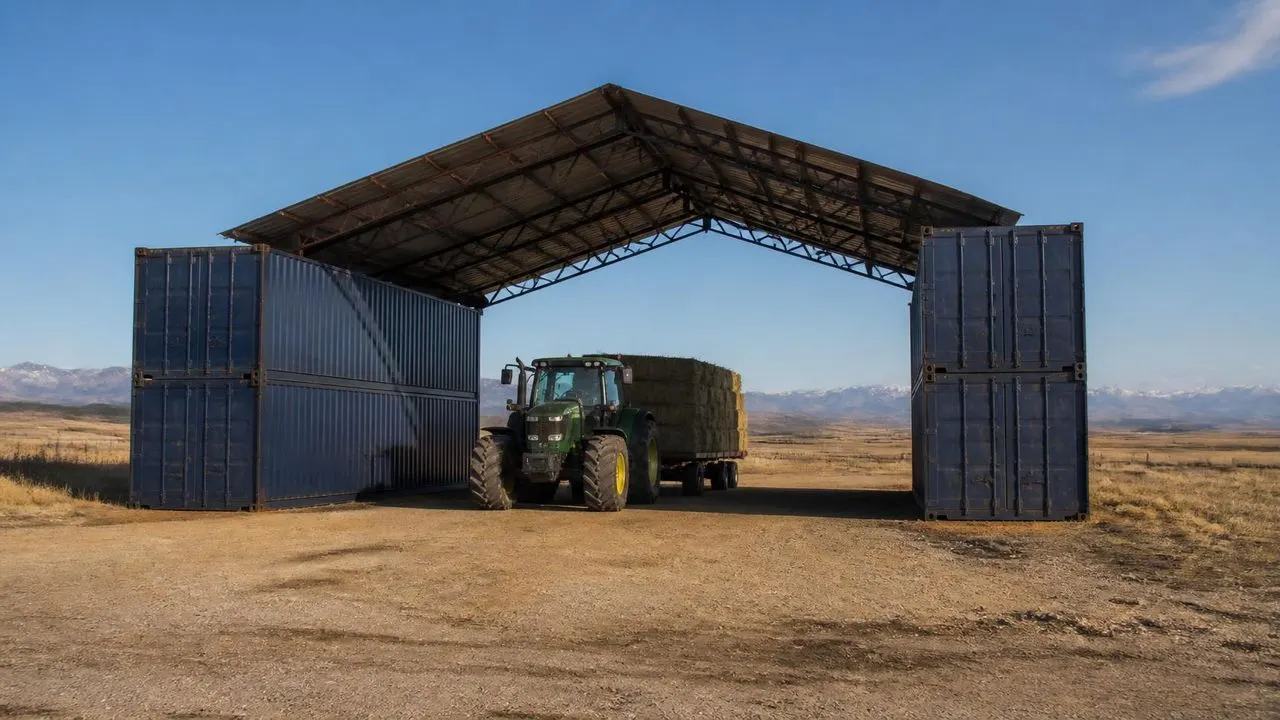
Lockable storage for feed, seed and tools, container barns and farm workshops.
Explore the use case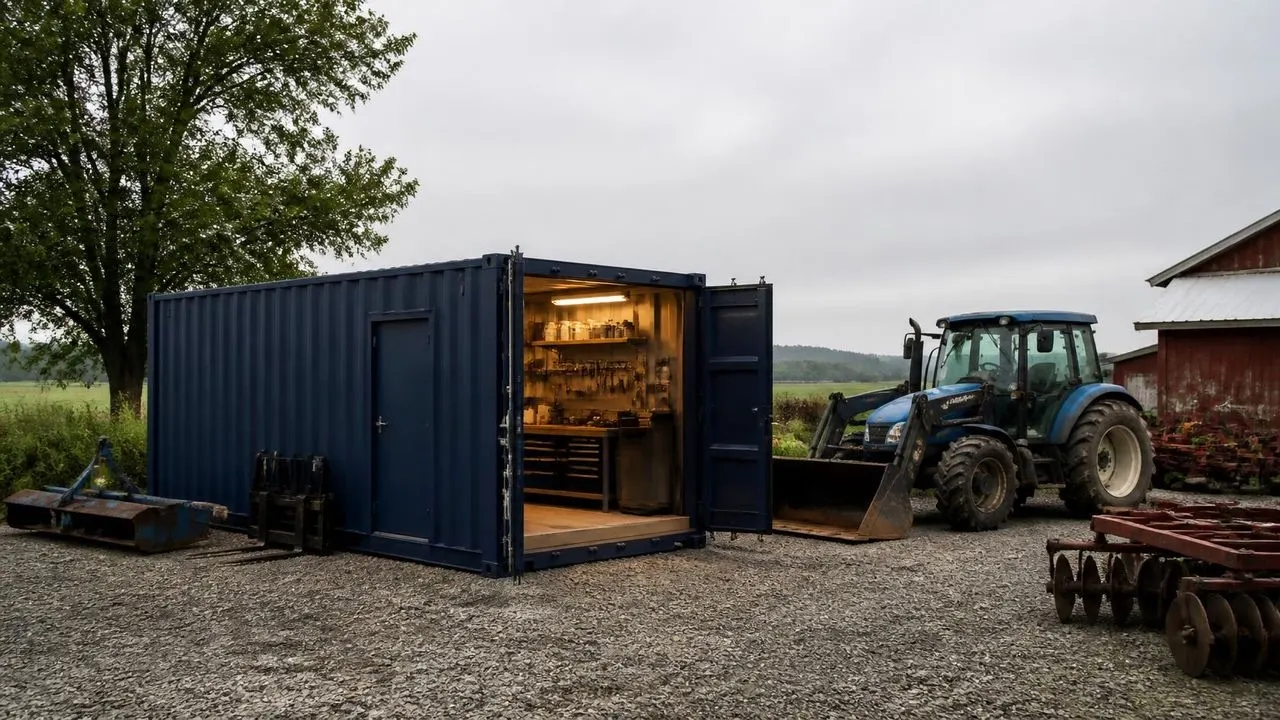
Lockable steel space for tools and trades, motorbike and equipment garages, garden sheds and hobby workshops.
Explore the use case
Container shells for coffee kiosks, small restaurants and bars, retail and pop-up stores and fitness studios.
Explore the use case