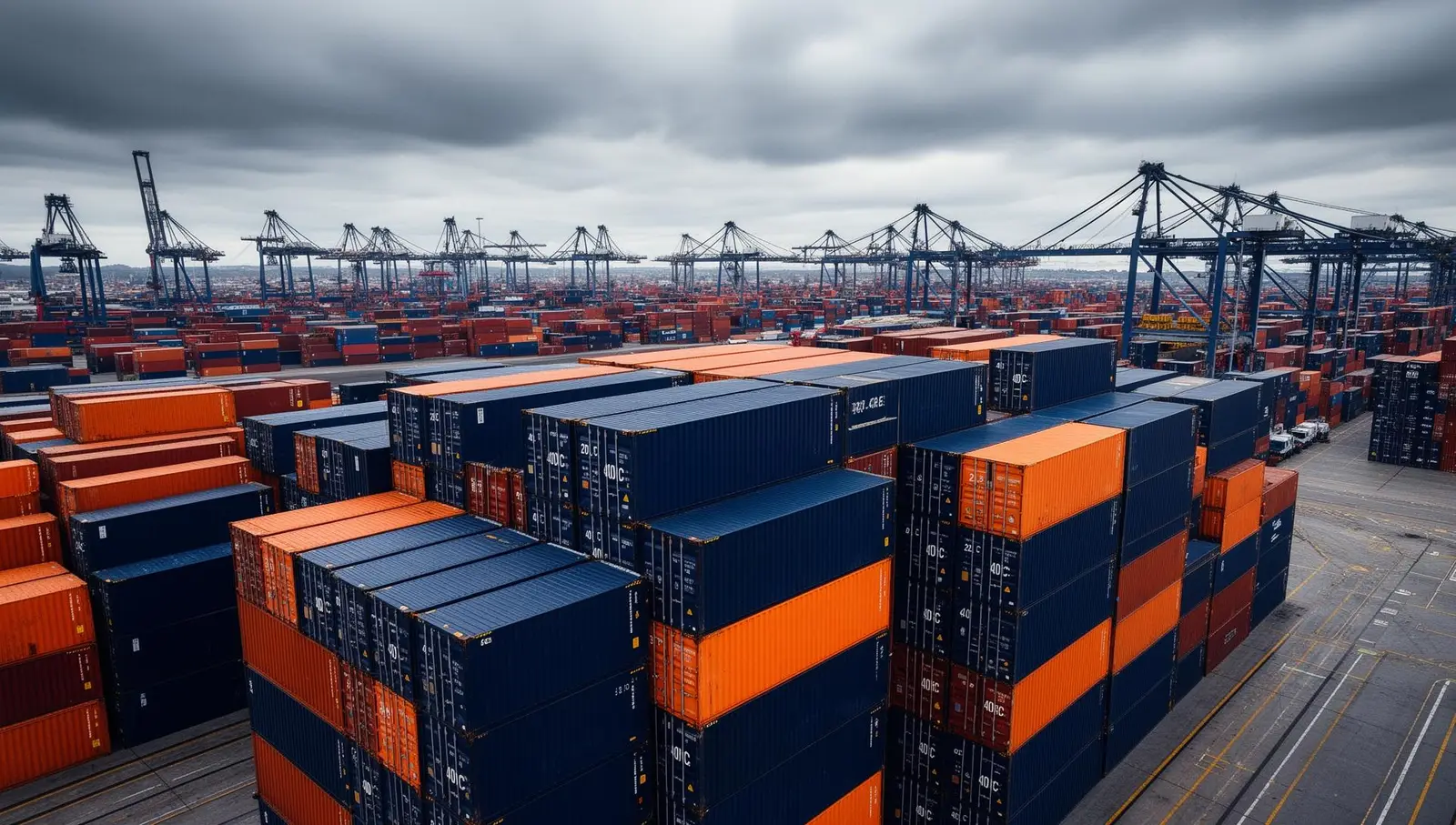
Global Deployment
Global SOC Deployment Network
Direct access to depots across surplus and deficit regions, enabling optimized one-way container flows across major trade corridors.
Demonstration hub selection, full global coverage available.
The explorer shows a curated set of major hubs. We operate worldwide beyond this list.
Your port is not listed? We still support it.
Definition
What Are SOC Containers?
SOC (Shipper Owned Container) means the container is sourced independently, not provided by the shipping line.
This shifts operational control from the carrier to the shipper.
Carrier-owned containers (COC) typically enforce
- Demurrage policies and port time limits
- Detention structures at origin / destination
- Mandatory empty repositioning requirements
- Schedule dependency on carrier allocation
Operational Impact
- Shipper-defined timeline and use window
- Reduced exposure to carrier detention fees
- No mandatory empty return constraints
- Routing flexibility independent of carrier equipment allocation
Best suited for one-way, imbalance, and project-driven flows.
How the move works
An SOC one-way move, step by step
The container leaves our depot, travels once on your booking, and stays with you at destination. No return leg, no repositioning obligation.
Depot release
We allocate the units at the origin depot and issue the release order.
Pick-up and stuffing
Your trucker collects the boxes. You load at your own pace, off the carrier clock.
Ocean leg
The units sail as shipper-owned equipment on your chosen carrier booking.
Destination discharge
Boxes are discharged and moved to your yard or consignee without a return window.
Handover
Title or final drop-off is settled at destination. The move ends there.
With SOC one-way
One fixed price covers the box for the whole corridor. No detention clock, no empty return, no repositioning surcharge at destination.
With carrier equipment
The box must return to the carrier within a free-time window. Delays trigger detention and demurrage, and the return move is yours to organise.
Actual routings, depots and transit times depend on the corridor and equipment availability at the time of booking.
Strategic Advantage
When SOC Becomes a Strategic Advantage
Eliminate Demurrage & Detention
SOC containers remove all carrier-imposed time constraints at origin and destination. No daily demurrage accruing at port, no detention fees ticking while cargo clears customs or awaits inland transport.
What You Gain
- Zero port demurrage exposure
- No detention fees at destination
- Full control over container release timing
Best for: Importers in high-detention markets (Africa, Latin America, Southeast Asia).
Operational Comparison
SOC vs. COC: Side by Side
Container ownership
Shipper / LesseeDemurrage charges
No carrier demurrageDetention charges
No carrier detentionEmpty repositioning
No mandatory empty returnRoute flexibility
High flexibilityCost predictability
Lease-based, predictable costsOne-way shipments
Optimized solutionTime at destination
Contract-defined, flexibleSOC containers give shippers and forwarders full operational control. With MG-Atlantic, you benefit from one-way leasing solutions, predictable costs and flexibility, especially for Africa, Latin America and emerging markets.
Global Equipment Portfolio
ISO Standardized Container Formats
Standard SOC formats available for one-way leasing across global trade corridors.
Not all depots and formats are shown here. Request a quote for any port.
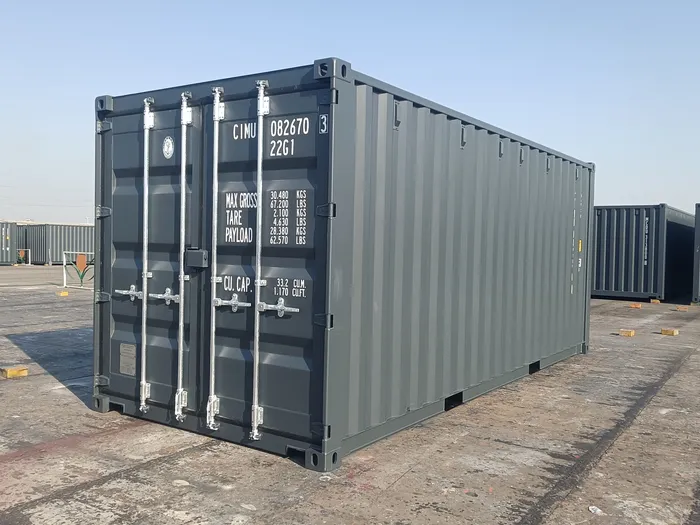
20' Dry Container (20DC)
20-Foot ISO Dry Cargo Unit
Compact Intermodal Unit
Structural Profile
- Length
- 6.10 m(20')
- Width
- 2.44 m(8')
- Height
- 2.59 m(8'6")
- Volume
- 33.2 m³(1,172 cu ft)
The 20ft dry container is the most traded intermodal unit worldwide. Deployed for dense cargo, export shipments, and secure storage across all major trade corridors.
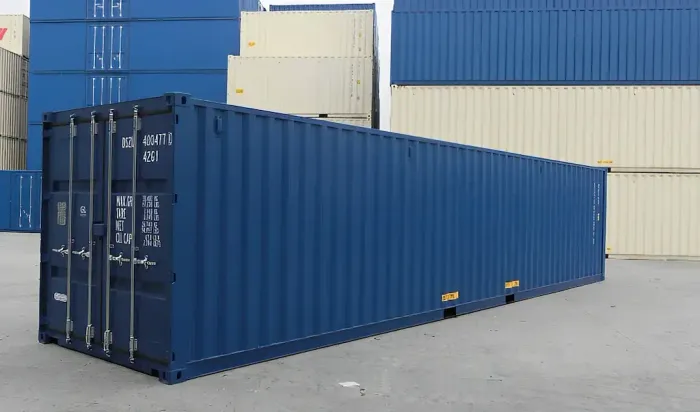
40' Standard Container (40DC)
40-Foot ISO Standard Freight Unit
Standard Full Container Load
Structural Profile
- Length
- 12.19 m(40')
- Width
- 2.44 m(8')
- Height
- 2.59 m(8'6")
- Volume
- 67.7 m³(2,390 cu ft)
The 40ft standard container doubles loading capacity, serving as the primary unit for full container loads on intercontinental trade lanes.
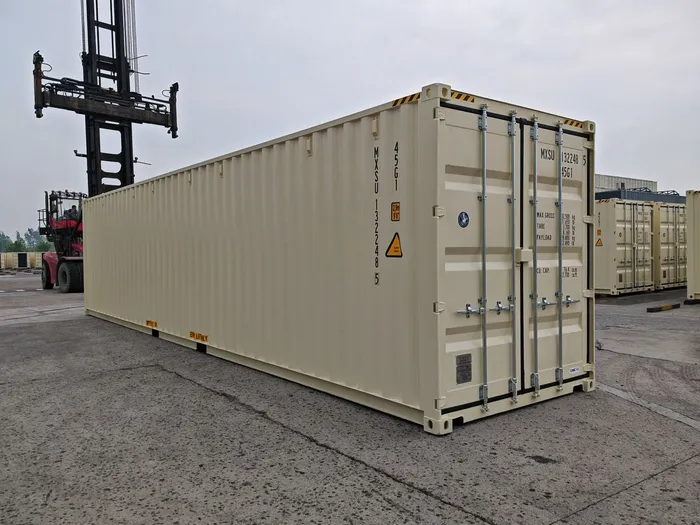
40' High Cube (40HC)
40-Foot ISO High Cube Unit
High-Capacity Volume Unit
Structural Profile
- Length
- 12.19 m(40')
- Width
- 2.44 m(8')
- Height
- 2.89 m(9'6")
- Volume
- 76.3 m³(2,694 cu ft)
The 40ft High Cube provides maximum cubic capacity for voluminous and lightweight cargo. The preferred unit for SOC one-way leasing programmes worldwide.
Need another type or location? Request a Quote
Process
How SOC One-Way Leasing Works
Request & Allocation
Submit origin, destination, volume and equipment requirements.
Depot Collection
Container released at designated origin depot under lease terms.
Carrier-Neutral Shipment
Ship on any carrier accepting shipper-owned equipment.
Destination Completion
Unload and drop at agreed depot. No return obligation.
SOC execution removes carrier timing constraints while preserving route flexibility.
Eligibility
Is SOC one-way the right fit for you?
SOC one-way leasing suits specific flow profiles. Below is what we look at before quoting a corridor.
A good fit when
- You ship on a corridor where carrier equipment is short or expensive.
- Your cargo needs longer loading or unloading time than standard free time allows.
- You move at least a few units per shipment and can confirm a booking window.
- You are an exporter, importer, NVOCC or forwarder with a named consignee at destination.
- You want a single landed cost per box instead of variable detention exposure.
Less suitable when
- You need one single box on an occasional, unplanned basis.
- Your destination has no viable depot, yard or buyer for the unit.
- You need the container back at origin, where long-term leasing fits better.
If your flow sits outside these criteria, long-term leasing or a direct container purchase is usually the better route. We will tell you which one applies.
What we need to confirm a corridor
- Route
- Origin and destination port or city, plus the intended carrier or service if already selected.
- Equipment
- Container type and grade, typically 20DC, 40HC or 40DC in cargo-worthy or one-trip condition.
- Volume
- Number of units per shipment and whether the flow is one-off or repeating.
- Timing
- Target pick-up window at the origin depot and expected sailing date.
- Company
- Registered company details and destination consignee. We work with business customers only.
One-way offers
Receive our one-way offers for your routes
Each week MG-Atlantic prepares one-way container offers. Choose the routes you work on: once your access is approved, you receive the offers that match them, with the pick-up charge per container.
One-way offers by email
Weekly · Access on approval
- Routes you choose: port, country or region
- Origin, destination and pick-up charge per container
- Updated every week
- Access reviewed by our team
FAQ
SOC Container Leasing – Frequently Asked Questions
Have a specific question about your route or volume? Request a tailored proposal.
Get a quote
Price your one-way corridor
Send us the route, the equipment and the volume. We come back with an all-in price per unit, the available depots and a pick-up window, so you can compare it directly against carrier equipment.
- Response within one business day on most corridors.
- Written quote with the price per unit and depot details, no obligation.
- Direct contact with the team handling your file, from quote to release.
What to include in your request
- 01Origin and destination, port or city.
- 02Container type, grade and number of units.
- 03Target pick-up date or sailing window.
- 04Company name and destination consignee.
B2B only. Your details are used to prepare the quote and are never shared with third parties.