What Is a Conex Box? Conex Containers Explained
In the United States, "conex", "conex box" and "conex container" are everyday names for a steel shipping container. On a farm, a construction site or a military base, a conex is the same 20ft or 40ft box that carries cargo across the ocean. This guide explains where the name comes from, which sizes exist, how conex boxes are graded and what to check before buying one.
The name
Where the word conex comes from
CONEX stands for Container Express, a steel box system introduced by the US Army in the early 1950s to move military supplies without unpacking them at every transfer. The original CONEX was much smaller than today's containers: about 8.5 ft long, 6 ft 3 in wide and 6 ft 10.5 in high, with double doors at one end.
The ISO containers standardised in the late 1960s replaced the military boxes, but the name stayed in American usage. Today a seller, a contractor or a farmer who asks for a conex almost always means an ISO shipping container, most often a 20ft or a 40ft high cube.
Conex or container
Is a conex box the same as a shipping container?
Yes. A modern conex box is an ISO intermodal container: built to ISO 668 dimensions, with corner castings at the eight corners for lifting and stacking, a corrugated steel shell, a hardwood or bamboo floor and lockable cargo doors. It carries an ISO 6346 unit number (four letters, the last one U, then seven digits) and a CSC safety approval plate.
Other names point to the same box: sea can (common in Canada), Connex (a frequent misspelling), steel storage container, ISO container or simply box. What differs between two conex boxes is the size, the type and the condition, not the name.
Sizes
Conex box sizes and dimensions
Three sizes cover most of what is sold in the US. All are 8 ft wide; the high cube is one foot taller. Interior figures vary by a few centimetres between manufacturers.
- 20ft standard (20DC): outside 20 ft x 8 ft x 8 ft 6 in; inside about 19 ft 4 in x 7 ft 8 in x 7 ft 10 in; about 1,170 cu ft; empty weight about 4,850 lb (2,200 kg).
- 40ft standard (40DC): outside 40 ft x 8 ft x 8 ft 6 in; inside about 39 ft 5 in x 7 ft 8 in x 7 ft 10 in; about 2,390 cu ft; empty weight about 8,330 lb (3,780 kg).
- 40ft high cube (40HC): outside 40 ft x 8 ft x 9 ft 6 in; inside about 39 ft 5 in x 7 ft 8 in x 8 ft 10 in; about 2,690 cu ft; empty weight about 8,690 lb (3,940 kg).
- Less common: the 20ft high cube (20HC), and 10ft units, which are usually cut down from a 20ft or built for site storage rather than for ocean transport.
Types
Dry, high cube, refrigerated and open types
Most conex boxes are dry vans: closed steel boxes with doors at one end, used for general cargo and storage. Specialised types exist for other jobs: refrigerated containers (reefers) with a built-in cooling unit, open tops loaded from above under a removable tarp, flat racks with no side walls for oversized loads, and side-door units for loading along the length.
For storage, a workshop or a site office, the dry 20ft and the 40ft high cube are the usual choices. The high cube's extra foot of height matters once shelving, lighting or insulation go in.
Condition
Conex grades: new, cargo worthy, wind and watertight
A conex box is sold by grade, which describes its condition. The grade decides what the box can be used for more than its age does.
- New or one trip: built recently and shipped once with cargo. Uniform paint, straight panels, clean floor. The choice for a long life, a visible location or a conversion.
- Cargo worthy (CW): used, and still fit to carry cargo by sea. Dents and rust within limits, sound structure, doors that seal.
- Wind and watertight (WWT): used and no longer meant for ocean transport, but it keeps wind and rain out. The usual grade for storage on site.
- As-is: sold without a watertight guarantee, for parts, a project that will rebuild the box, or a buyer who has inspected it.
Before buying
What to check on a used conex box
Photos and a grade name are not enough on a used unit. These checks take a few minutes on site, or can be asked of the seller as specific photos.
- The unit number on the doors and on the CSC plate match, and the number passes the ISO 6346 check digit.
- Doors open and close by hand, the locking bars turn, and the rubber gaskets are whole.
- Stand inside with the doors closed on a bright day: any point of light in the roof or walls is a hole.
- The roof has no standing-water dents, and the floor is firm, with no soft or delaminated boards.
- The bottom rails and corner castings are straight, with surface rust only.
- The seller can be verified: a registered company, a depot address and a written offer naming the unit number.
Delivery
Getting a conex box on site
A conex box usually arrives on a tilt-bed truck that slides it to the ground, or on a truck with a crane when the site is tight or the box goes on a foundation. The site needs firm, level ground and straight access for the truck; a 40ft unit needs about 100 ft of room behind the truck.
Set the box on gravel or concrete pads rather than bare soil, level it so the doors keep closing, and leave an air gap underneath to slow corrosion. MG-Atlantic supplies the container from a partner depot; delivery is quoted for the site's address and access.
Frequently Asked Questions
Conex boxes, answered
Explore
Guides and resources
Container Grades Explained
Understand the difference between New, IICL, CW, WWT and As-Is grades. Choose the right condition for your needs.
Read the guideContainer Size Guide
Compare 20ft, 40ft and 40HC dimensions, capacities and use cases. Find the right size for your cargo.
Read the guideShipping Container Delivery Guide
Step-by-step shipping container delivery guide for US buyers, truck access requirements, tilt-bed vs crane offload, common delivery issues and a pre-delivery site checklist.
Read the guideBuying vs Leasing a Container
Full cost-of-ownership analysis and a decision framework to guide your procurement strategy.
Read the guide20DC vs 40HC: Which Format to Choose?
Dimensions, payload capacity, and cost-per-CBM comparison to select the right container format.
Read the guideSOC vs COC Leasing Explained
Understand the core difference between Shipper-Owned and Carrier-Owned container programs.
Read the guideNew vs Used Containers
Grade-by-grade analysis, price differentials, and practical fit criteria for equipment condition.
Read the guideCW vs WWT Containers
Compare Cargo Worthy (CW) and Wind & Watertight (WWT) shipping containers, inspection criteria, transport eligibility, storage suitability, US pricing and how to choose.
Read the guideOne Trip vs Cargo Worthy
One Trip vs Cargo Worthy shipping containers, lifespan, corrosion risk, appearance, ROI, US pricing and use cases to decide which grade fits your purchase.
Read the guideCSC Plate Explained
What is a CSC plate, why it matters, and what to check before accepting a container for sea transport.
Read the guideOne-Way Leasing Explained
How SOC one-way leasing works, who it's for, and how it compares to round-trip leasing.
Read the guideContainer Buying Guide
Step-by-step guide to buying a shipping container: grades, inspection, delivery and pricing.
Read the guideContainer Types Explained
Overview of standard container formats including dry, high cube, reefer, flat rack, and open top containers.
Read the guideWhat a Container's Colour Tells You
Colour records who owned the box, not its condition — and what you must not paint over.
Read the guideShipping Container Foundation and Site Preparation
How to prepare the ground for a shipping container: gravel pad, concrete piers or slab foundation, leveling, drainage and delivery-vehicle access.
Read the guideContainer Scams: How to Verify a Seller Before You Pay
The seven fraud patterns in container trading, the signals that give them away, and a twenty-minute verification procedure.
Read the guideInland Container Depots: How They Work
What an inland depot does, how it differs from a port terminal, what it charges for, and how to choose one for pickup or drop-off.
Read the guideContainer Loading Calculator
Estimate the volume, weight and floor space of your items to compare a 20DC and a 40HC.
Read the guideShipping Container Insulation, Ventilation and Condensation
Which insulation suits a container, why containers sweat, and how vents and desiccant keep stored goods dry.
Read the guideShipping Container Carports: Two Containers and a Roof
Spans, roof kits, clearance, anchoring and permits for a covered bay between two containers.
Read the guideCSC Certificate vs Seaworthy Certificate: What Each One Proves
CSC approval and seaworthy (cargo worthy) certificates answer different questions: who issues each, what they cover, how long they last, which you need.
Read the guideShipping Container Doors, Locks and Accessories
Cargo doors, roll-up and side doors, lock boxes and padlocks, vents, shelving and ramps, and what each change does to the box.
Read the guideShipping Container Homes: What to Know Before Buying the Containers
Layouts and floor areas, which size and grade to buy, permits and codes, insulation, foundations and crane delivery.
Read the guideShipping Container Prices in the USA
Indicative ex-depot ranges by size, grade and city, reviewed monthly, and what a quote should include.
Read the guide
Explore
Container use cases by industry
 Use case
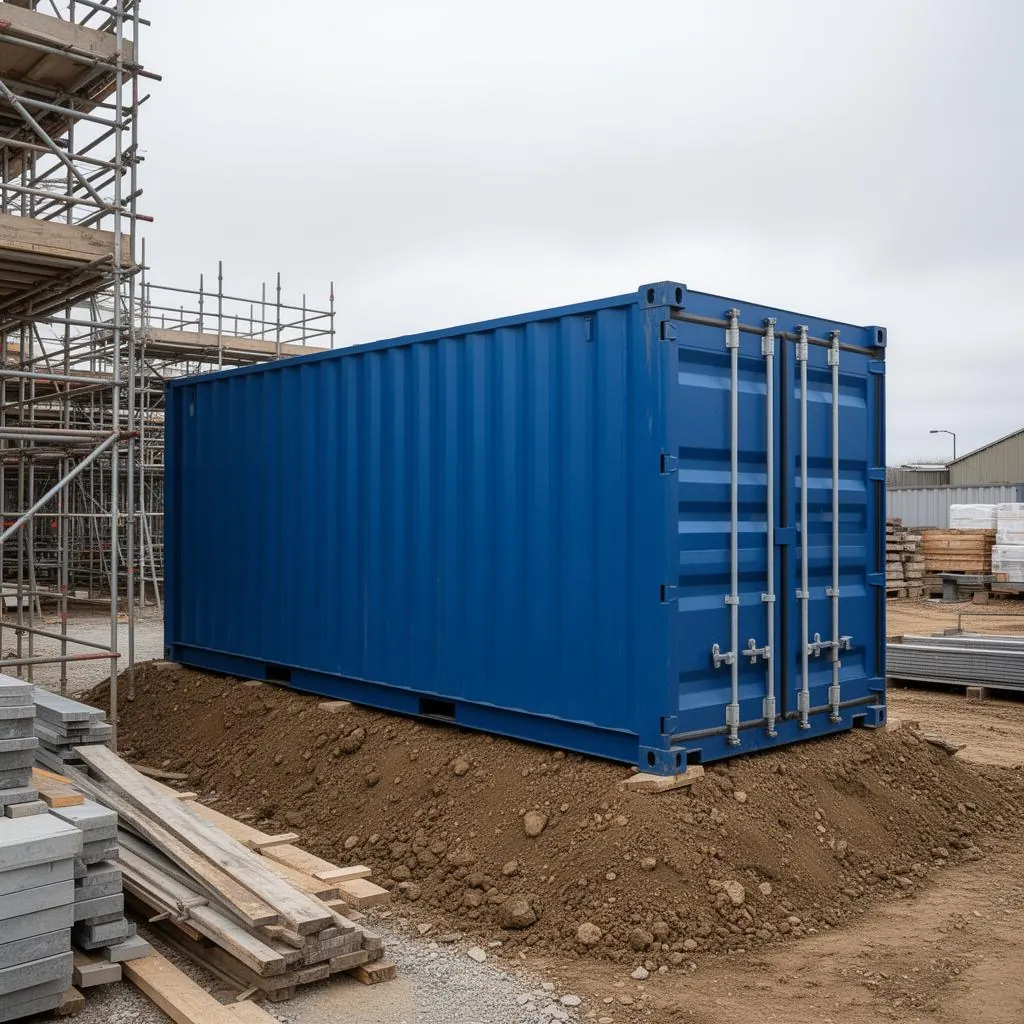
Construction & Civil Works
Secure tool storage, site offices, modular workshops, and temporary infrastructure for BTP and civil engineering projects.
Explore the use case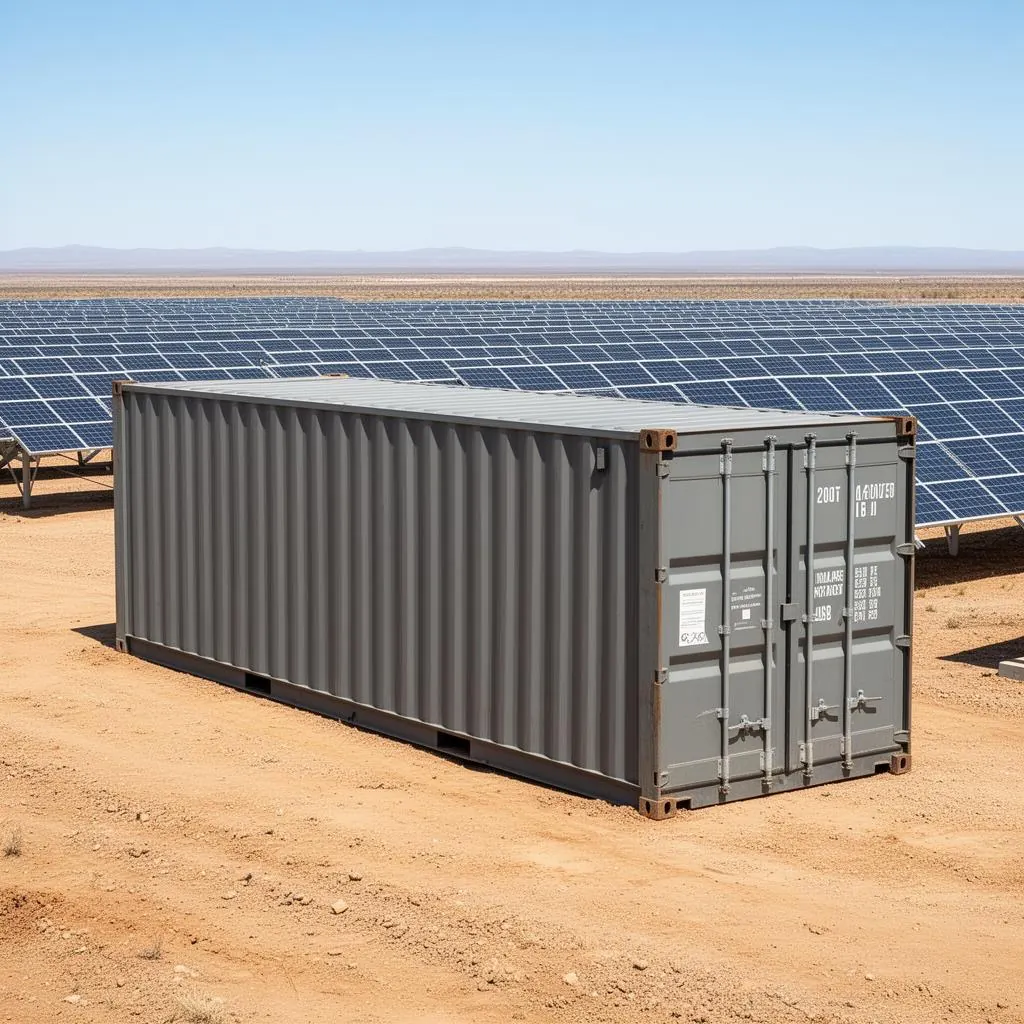 Use case
Solar Energy & Off-Grid Installations
Containerized battery storage systems, remote site equipment housing, and renewable energy project logistics.
Explore the use case Use case
Events & Brand Activations
Pop-up venues, hospitality units, and modular retail spaces for temporary brand experiences and events.
Explore the use case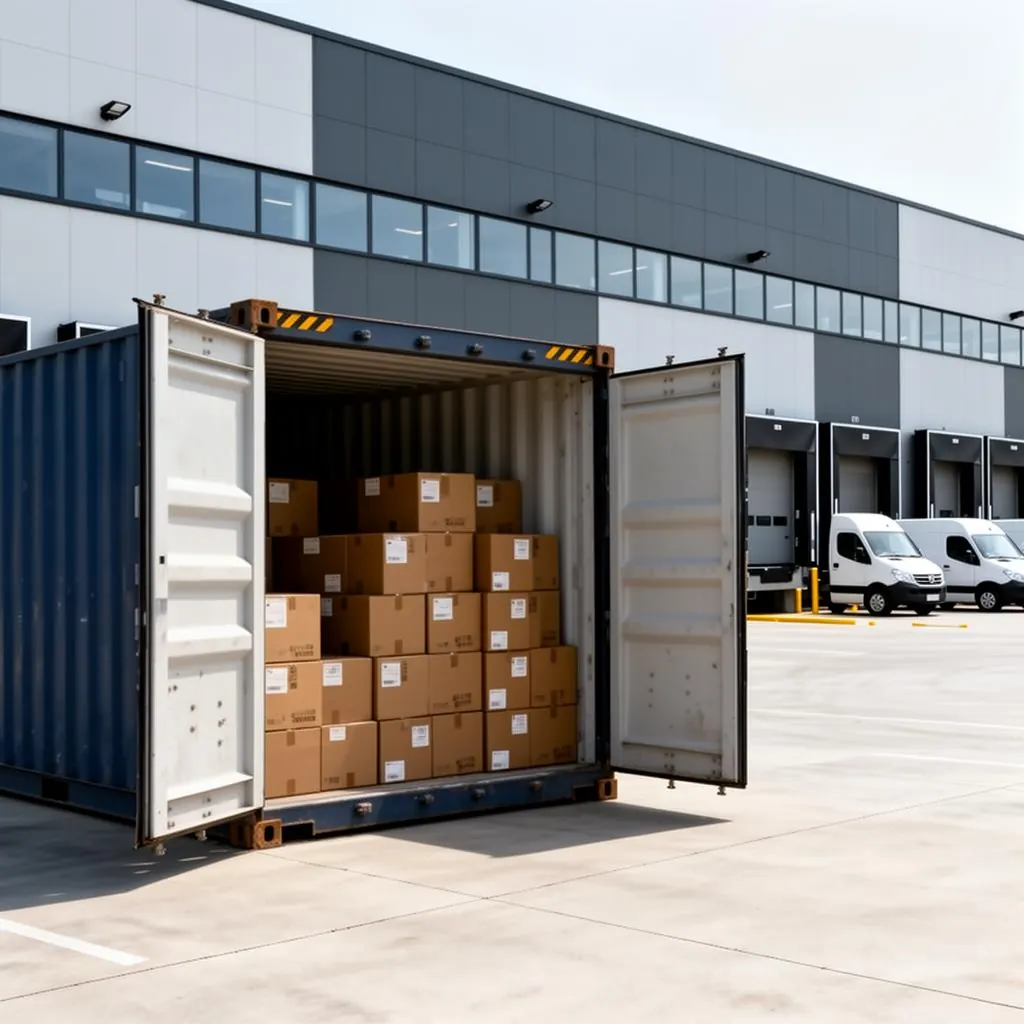 Use case
E-Commerce & Last-Mile Logistics
Overflow inventory management, temporary fulfilment hubs, and seasonal storage capacity for e-commerce operations.
Explore the use case Use case
Export & Import Freight Operations
One-way leasing strategy for freight forwarders and NVOCCs. Reduce repositioning costs while maintaining fleet flexibility.
Explore the use case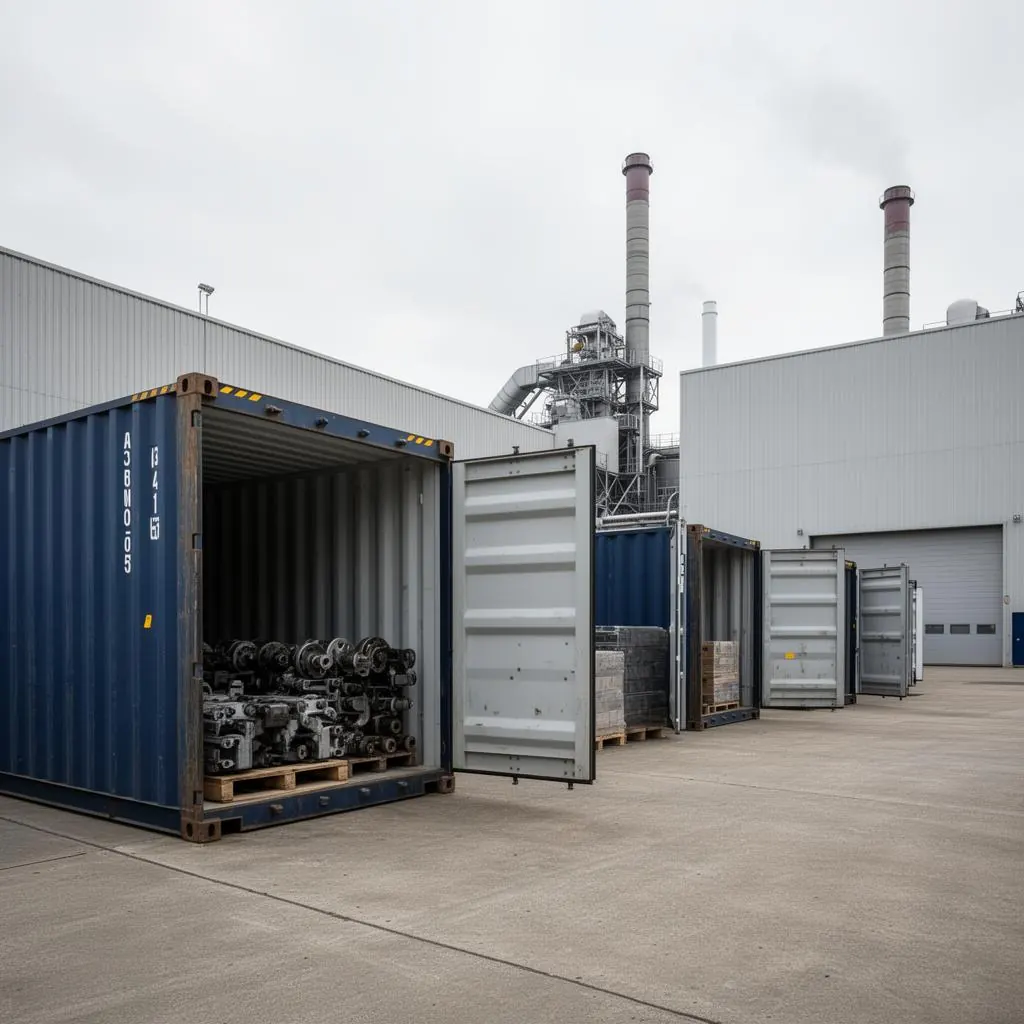 Use case
Industrial Storage & Depots
Long-term container deployments for industrial sites. Modular, scalable storage without permanent construction costs.
Explore the use case Use case
Humanitarian & Emergency Response
Rapid deployment container solutions for crisis zones, NGOs, and emergency logistics operations.
Explore the use case Use case
Military & Defense Logistics
Secure and reliable container solutions for defense operations and sensitive equipment transport.
Explore the use case Use case
Mining, Oil & Gas Operations
Robust container solutions for remote industrial sites and harsh environment deployments.
Explore the use case Use case
Agriculture, Farms & Ranches
Lockable storage for feed, seed and tools, container barns and farm workshops.
Explore the use case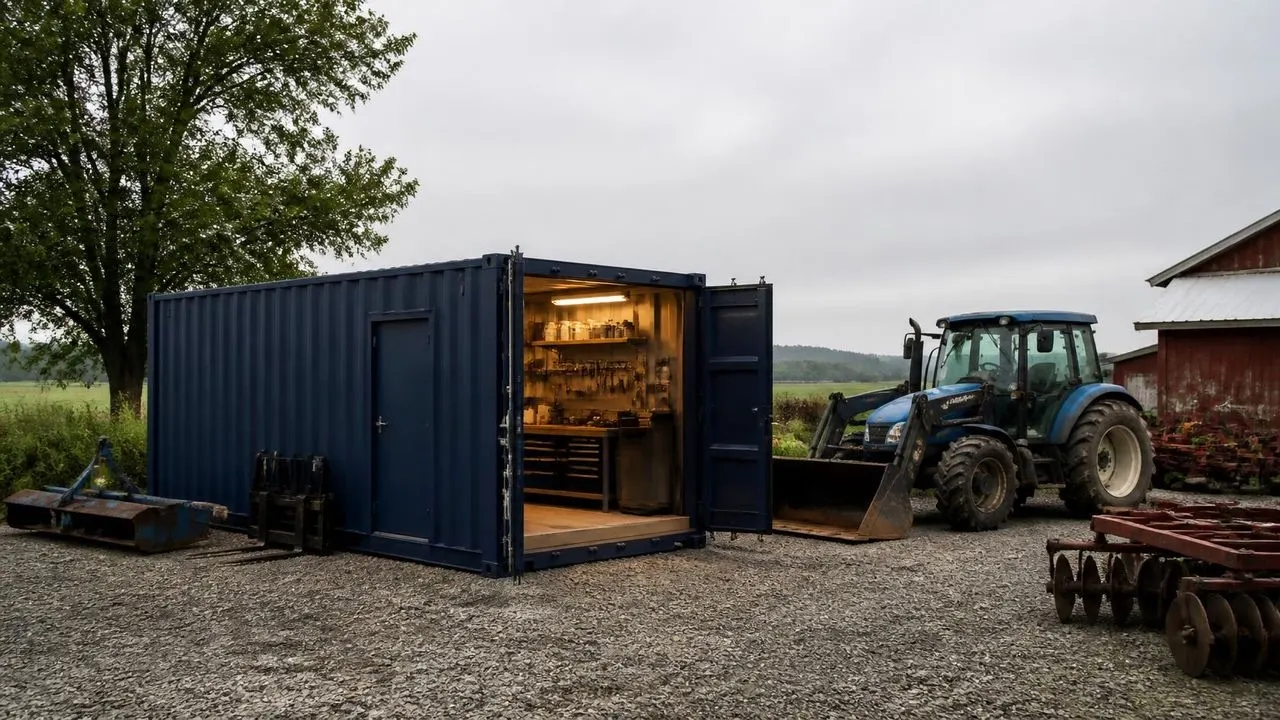 Use case
Workshops, Garages & Sheds
Lockable steel space for tools and trades, motorbike and equipment garages, garden sheds and hobby workshops.
Explore the use case Use case
Cafés, Restaurants, Shops & Gyms
Container shells for coffee kiosks, small restaurants and bars, retail and pop-up stores and fitness studios.
Explore the use case
Explore
More market notes
 Market
Intermodal Europe 2026 in Rotterdam: what to expect
Intermodal Europe 2026 runs at Rotterdam Ahoy from 10 to 12 November: exhibitors, conference themes, passes, travel, and how to meet MG-Atlantic.
Read the note Market
One record from release to invoice: how MG-Atlantic runs its operations on Krak Stack
Leasing, trading, releases, returns and invoicing on one container record: why MG-Atlantic runs all of its container operations on Krak Stack.
Read the note Market
Why an international trader is opening a container shop in Switzerland
MG-Atlantic launches MG Container, its Swiss shop: new and used containers, to buy or to rent, delivered customs-cleared anywhere in Switzerland.
Read the note Market
September's Import Peak, and What It Leaves Inland
US imports were forecast to peak in September 2026. Where those boxes are emptied, why the inland pool of empties follows weeks later, and what it means for buyers.
Read the note Market
Panama Rations Transits, and Equipment Follows
The canal cut daily transits to 32 and lowered Neopanamax draft. What a water-driven restriction does to container repositioning, and where empties accumulate.
Read the note Market
What a Depot Actually Charges For
Gate fees, lifts, per-day storage, survey, cleaning, repair — what a container depot invoices, and why the same box costs more to keep in one port than another.
Read the note Market
Cape Routing and Container Availability
When vessels route around the Cape instead of through Suez, the equipment consequences outlast the schedule ones. What longer rotations do to container availability, and how to plan around them.
Read the note Market
Why Container Availability Differs by Port
Containers accumulate where cargo arrives and disappear where it departs. How trade imbalance shapes what you can actually collect, port by port.
Read the note Market
The Container Availability Calendar
Container supply moves on a predictable annual rhythm — pre-holiday export rushes, factory shutdowns, and the quiet weeks that follow. What to plan around.
Read the note
Structure Your Container Program
Discuss leasing, trading or structured container supply programs with MG-Atlantic.