Shipping Containers for Mining, Oil & Gas Operations
Shipping containers provide robust, weatherproof infrastructure for mining sites, oil and gas operations and remote industrial deployments. From heavy equipment storage and modular workshops to long-term workforce accommodation, containers withstand the harshest environments and support multi-year operations in some of the most demanding industrial settings.
- Remote site storage and tool depots
- Heavy equipment logistics
- Harsh environment deployment
- Long-term modular infrastructure
Industry Context
The Mining, Oil & Gas Operations Landscape
Mining, oil and gas operations are conducted in some of the most physically demanding environments on earth, open-pit mines, desert oilfields, arctic gas extraction sites, mountainous terrain and remote offshore-adjacent locations. These operations run continuously for years, often decades, and require infrastructure that can withstand extreme conditions while supporting heavy industrial workflows and large workforces far from urban supply chains.
Building permanent infrastructure at these sites is rarely viable: the locations are remote, the timelines are operational rather than permanent, and the environments accelerate degradation of conventional buildings. Shipping containers provide the alternative, robust, weatherproof steel units that arrive ready to use, withstand harsh conditions for decades, support both storage and modular accommodation, and can be relocated as operations evolve across active extraction zones.
Operational Snapshot
Operations in deserts, mountains and offshore proximity
Equipment exposed to dust, corrosion and temperature extremes
Multi-year deployments far from urban infrastructure
Best Fit Containers
20DC, Heavy equipment and parts storage
40HC, Bulk supply storage and staging
Operational Challenges
What Mining, Oil & Gas Operations Operations Face
Understanding these challenges is essential for selecting the right container strategy.
Extreme Environmental Conditions
Operations face dust storms, corrosive atmospheres, extreme heat and cold, and high humidity. Infrastructure must resist degradation over multi-year deployments without significant maintenance investment.
Remote Site Logistics
Mining and energy sites operate hundreds of kilometres from cities and ports. Equipment, supplies and crew facilities must arrive self-contained and operational without on-site construction support.
Heavy Equipment Handling
Industrial operations involve heavy machinery, drill components, spare parts and consumables that require robust storage with high payload capacity and easy crane or forklift access.
Workforce Accommodation Needs
Large field crews require accommodation, mess facilities, offices and welfare units. Containerised workforce camps deliver scalable, durable and reusable solutions adapted to remote operations.
Long-Term Operational Continuity
Mining and energy projects often run for 10-20+ years. Infrastructure must remain operational, secure and adaptable across the full lifecycle of the site, then redeploy to the next operation.
Container Solutions
How Containers Address These Challenges
Challenge
Extreme Environmental Conditions
Operations face dust storms, corrosive atmospheres, extreme heat and cold, and high humidity. Infrastructure must resist degradation over multi-year deployments without significant maintenance investment.
Container Response
Remote Site Storage
Robust steel containers provide secure, weatherproof storage for tools, spare parts, drill components, lubricants and consumables at remote mining and energy sites. Positioned directly within active operational zones, they eliminate dependence on distant warehousing, protect high-value equipment from theft and harsh weather, and remain operational for decades with minimal maintenance, even in dust, corrosive atmospheres and extreme temperature cycles.
Challenge
Remote Site Logistics
Mining and energy sites operate hundreds of kilometres from cities and ports. Equipment, supplies and crew facilities must arrive self-contained and operational without on-site construction support.
Container Response
Modular Workshops & Equipment Bays
Modified containers serve as fully equipped maintenance workshops, equipment bays and tool rooms for mining and energy operations. Insulated, electrified and fitted with workbenches, racking and lighting, these units provide professional industrial workspace directly on-site, eliminating long transport cycles between operational zones and centralised maintenance facilities.
Challenge
Heavy Equipment Handling
Industrial operations involve heavy machinery, drill components, spare parts and consumables that require robust storage with high payload capacity and easy crane or forklift access.
Container Response
Workforce Accommodation & Welfare
Containers are converted into modular accommodation, mess halls, offices, welfare units and ablution blocks for field crews. Climate-controlled, structurally robust and arriving as finished units, these units form scalable workforce camps that adapt to operational headcount, withstand harsh terrain, and redeploy to new sites once a project concludes, without permanent structural waste.
Challenge
Workforce Accommodation Needs
Large field crews require accommodation, mess facilities, offices and welfare units. Containerised workforce camps deliver scalable, durable and reusable solutions adapted to remote operations.
Container Response
Long-Term Modular Infrastructure
ISO containers function as the long-term operational backbone of remote industrial sites, providing storage, workshop, office and accommodation infrastructure for multi-year and multi-decade operations. Their modular nature allows expansion as operations grow, reconfiguration as extraction zones shift, and full relocation to new sites at end of lifecycle, delivering operational flexibility that matches the realities of mining and energy projects.
Equipment Selection
Recommended Container Types
20ft Dry Container
~33 m³ · ~28,000 kg payload
Typical Uses
- Heavy equipment and parts storage
- Tool and consumables depots
- Compact workshop units
Advantages
- Maximum payload for heavy industrial loads
- Fits constrained access roads at remote sites
- Easy single-truck transport to extraction zones
40ft High Cube
~76 m³ · ~26,000 kg payload
Typical Uses
- Bulk supply storage and staging
- Maintenance workshops and equipment bays
- Workforce accommodation and welfare units
Advantages
- Maximum volume for bulk consumables and parts
- Extra height for tall industrial equipment and racking
- Cost-efficient per cubic meter for large operations
Recommended Container Grades
Cargo-Worthy · One-Trip
Cargo-Worthy (CW) / Used
- Equipment storage & site logistics
- Construction & industrial use
- Cost-effective, immediate availability
One-Trip / New Containers
- Client-facing infrastructure
- Long-term deployments & conversions
- Professional appearance & condition
Practical Applications
Real-World Use Cases
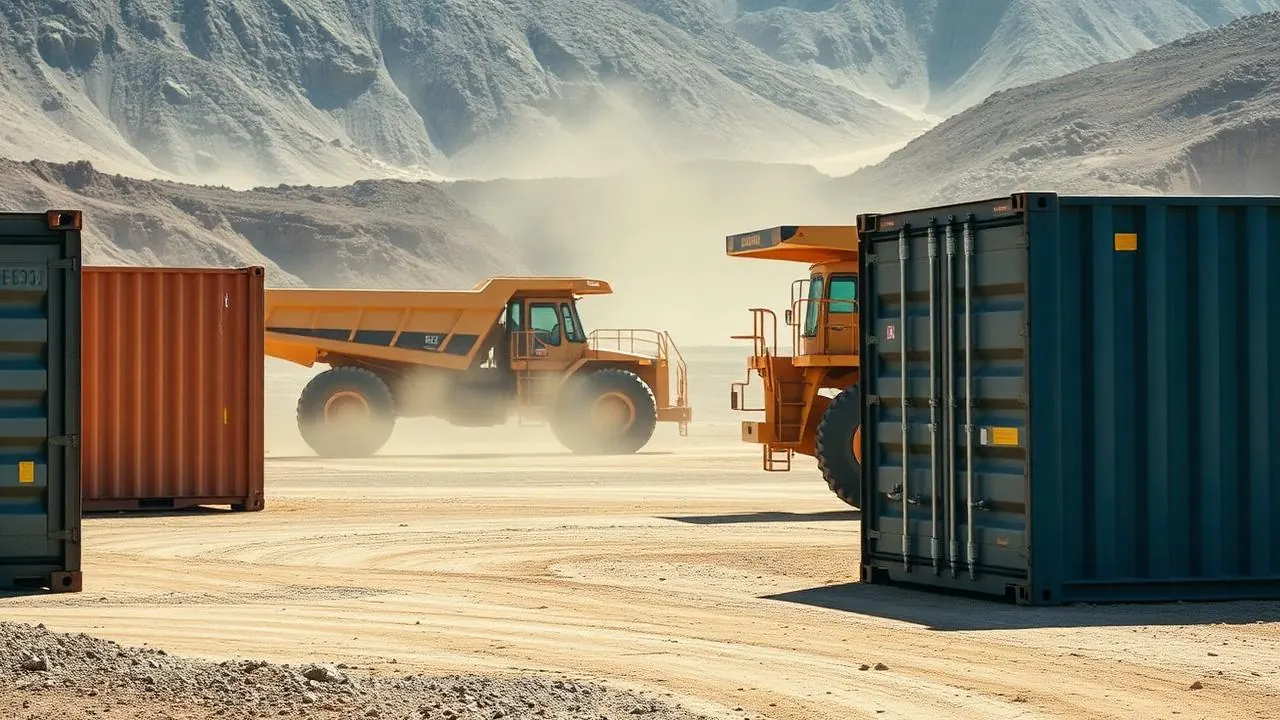
Open-Pit Mining Storage
Containers are positioned at active open-pit mining operations as secure storage for heavy equipment parts, drill bits, consumables and personal protective equipment. Their robust steel construction withstands the constant dust, vibration and weather extremes of large-scale extraction sites, while their modular footprint allows storage to follow active mining zones as the pit progresses. Multiple units form decentralised storage hubs that minimise downtime caused by long material runs back to central depots.
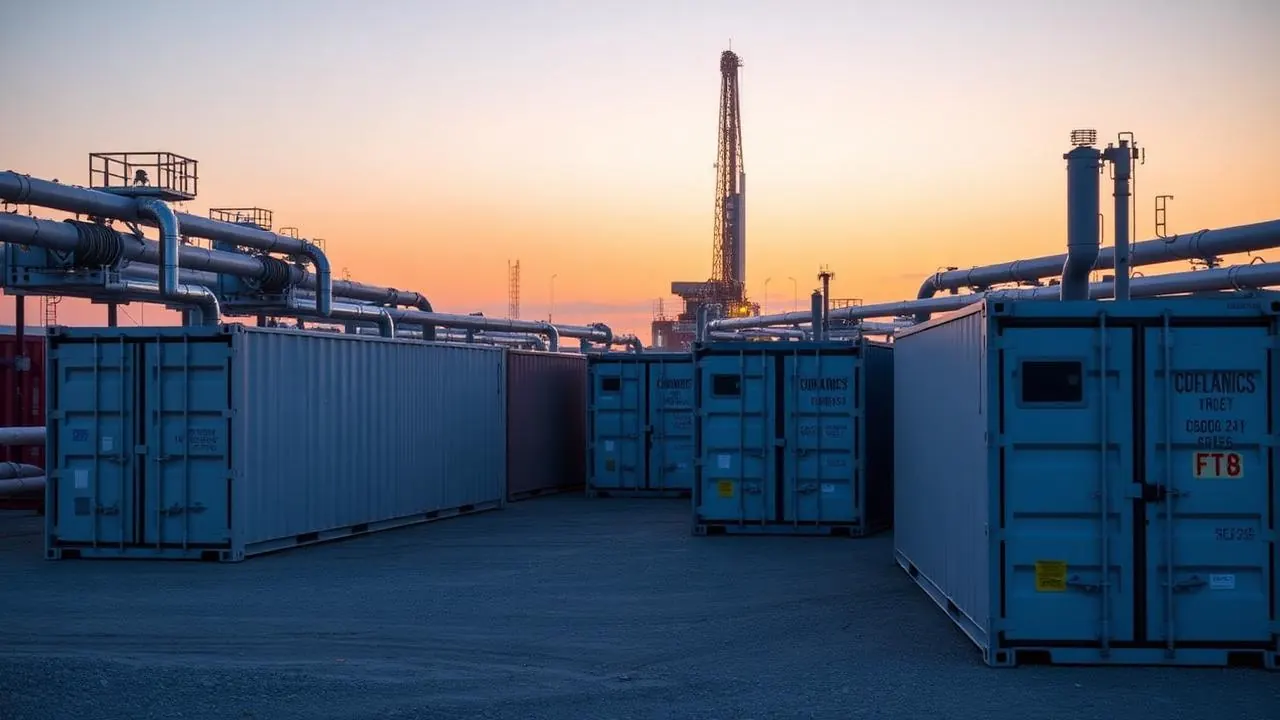
Oil & Gas Site Infrastructure
Modified shipping containers serve as control rooms, equipment housing, workshops and storage at remote oil and gas extraction sites. Their sealed steel structure protects sensitive electronics from dust, corrosion and temperature cycling, while modular layouts support both upstream drilling operations and midstream processing facilities. As field operations evolve, containers can be relocated, reconfigured or redeployed to new extraction zones, providing operational flexibility throughout the lifecycle of the asset.
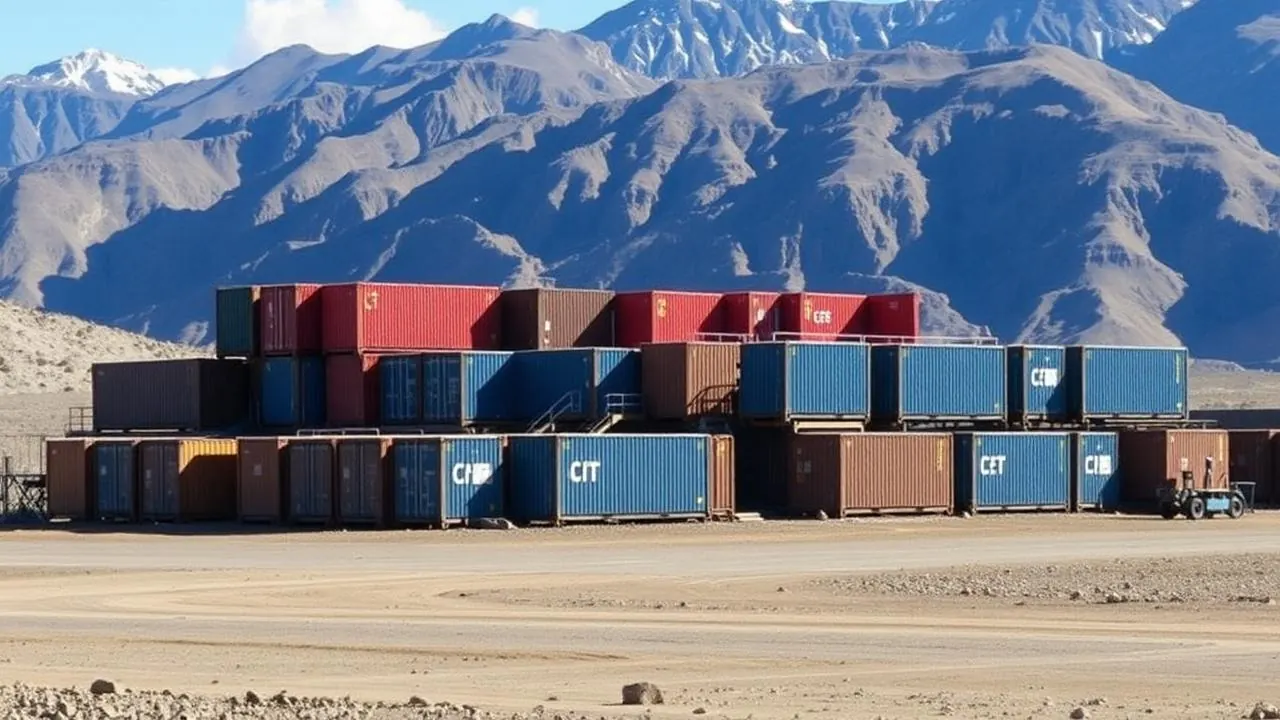
Workforce Camps & Accommodation
Modular container clusters form complete workforce camps at remote mining and energy projects, with units configured as accommodation rooms, mess halls, offices, welfare blocks and recreational facilities. Insulated, climate-controlled and engineered for harsh terrain, these camps support operations in deserts, mountains and remote regions where conventional construction is impractical. The same units can be redeployed to new sites as projects conclude, delivering reusable, scalable infrastructure aligned with the operational reality of mining and energy industries.
Why MG-Atlantic
Why Companies Choose MG-Atlantic
Access to 20DC and 40HC containers at strategic depots across all major trade regions.
Worldwide container sourcing, trading and allocation across all major markets.
Fast logistics coordination to meet tight project timelines.
From new one-trip units to certified cargo-worthy equipment.
Common Questions
Frequently Asked Questions
Explore
Container use cases by industry
 Use case
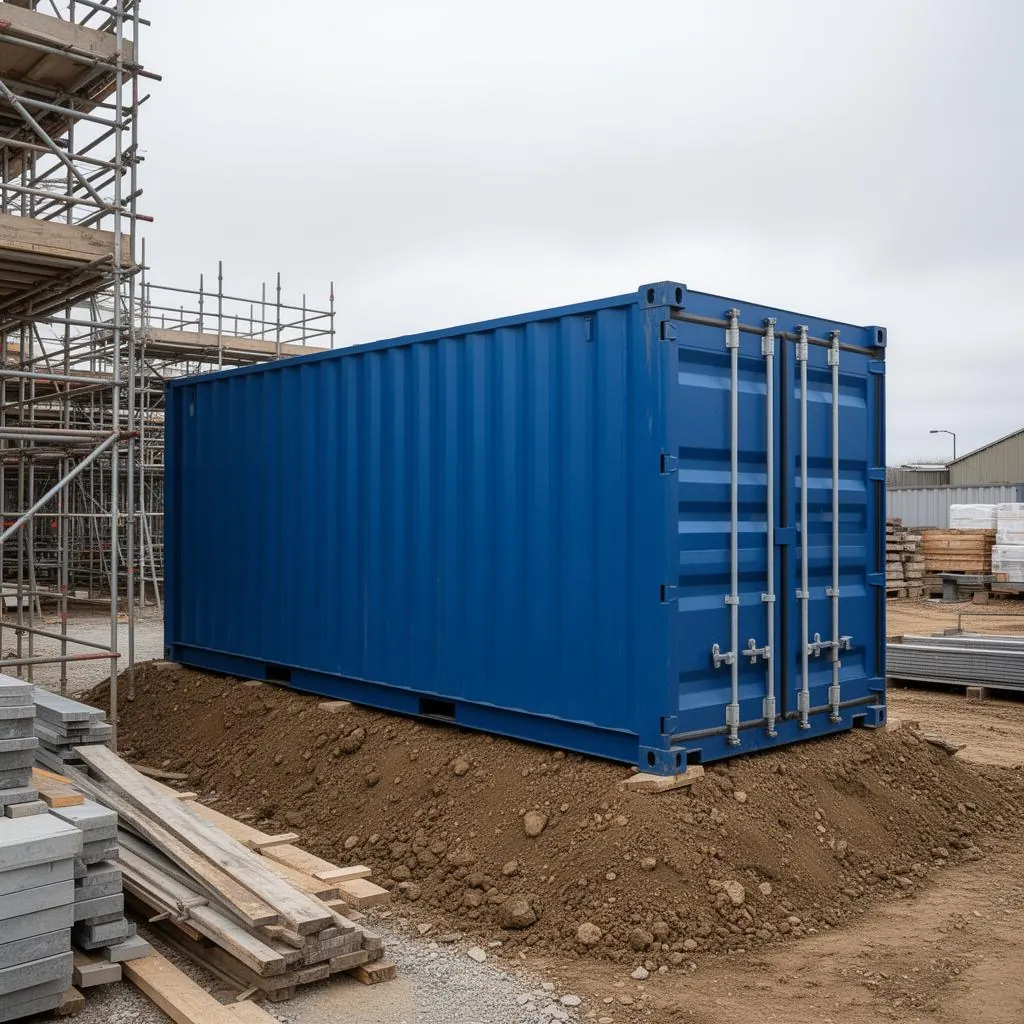
Construction & Civil Works
Secure tool storage, site offices, modular workshops, and temporary infrastructure for BTP and civil engineering projects.
Explore the use case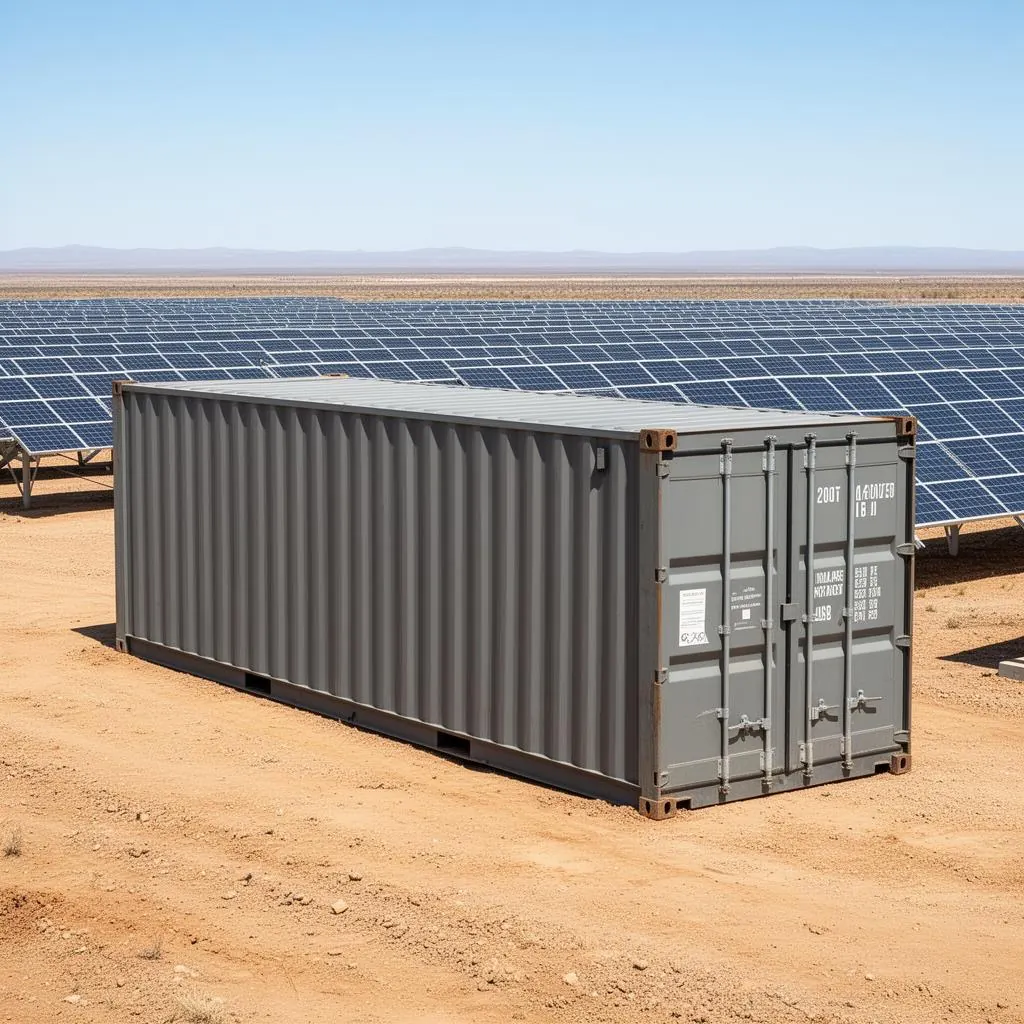 Use case
Solar Energy & Off-Grid Installations
Containerized battery storage systems, remote site equipment housing, and renewable energy project logistics.
Explore the use case Use case
Events & Brand Activations
Pop-up venues, hospitality units, and modular retail spaces for temporary brand experiences and events.
Explore the use case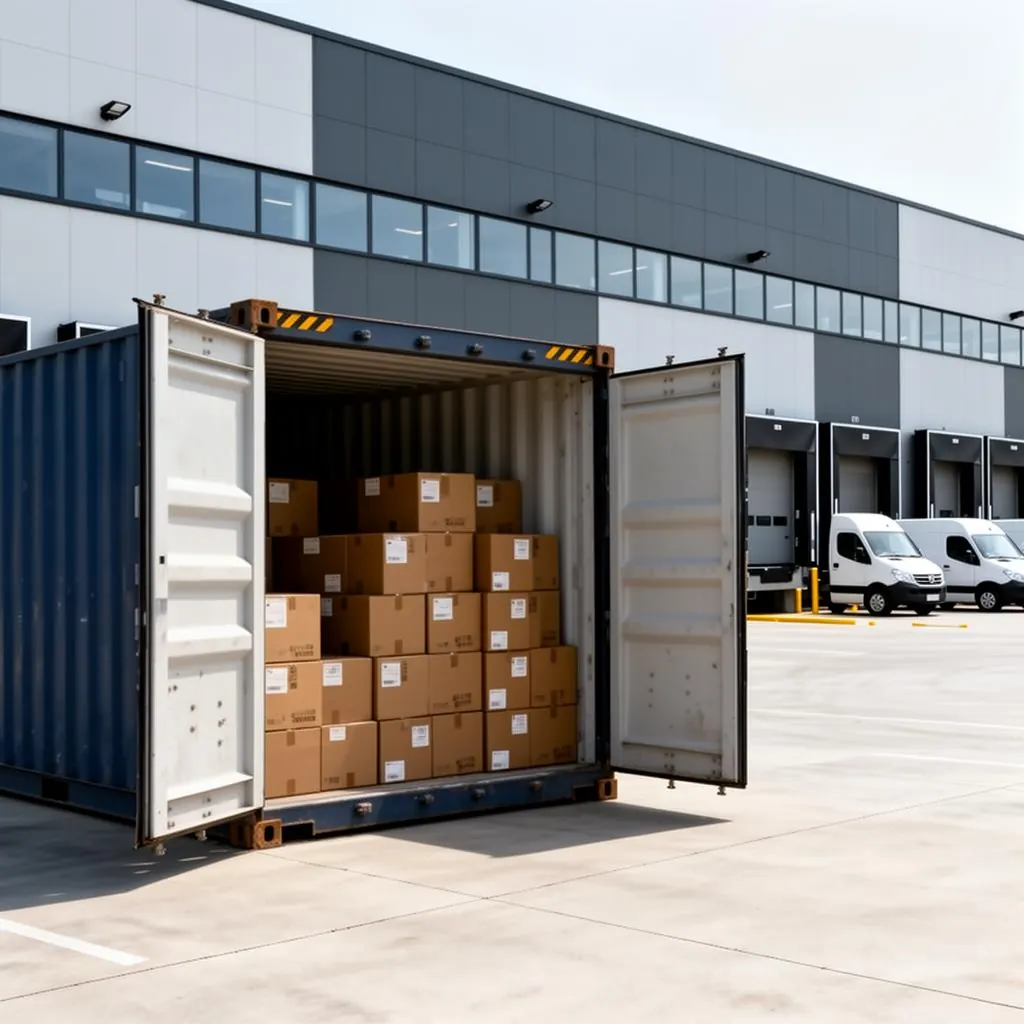 Use case
E-Commerce & Last-Mile Logistics
Overflow inventory management, temporary fulfilment hubs, and seasonal storage capacity for e-commerce operations.
Explore the use case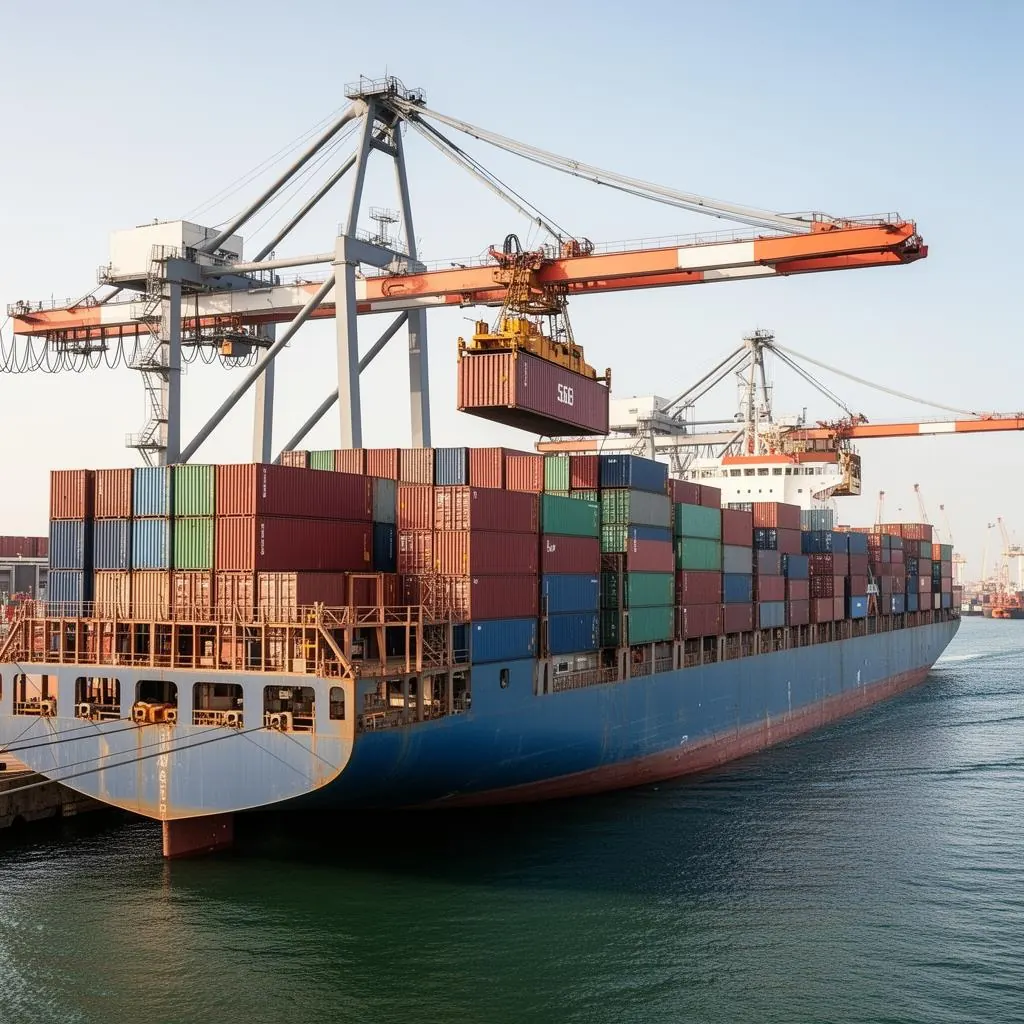 Use case
Export & Import Freight Operations
One-way leasing strategy for freight forwarders and NVOCCs. Reduce repositioning costs while maintaining fleet flexibility.
Explore the use case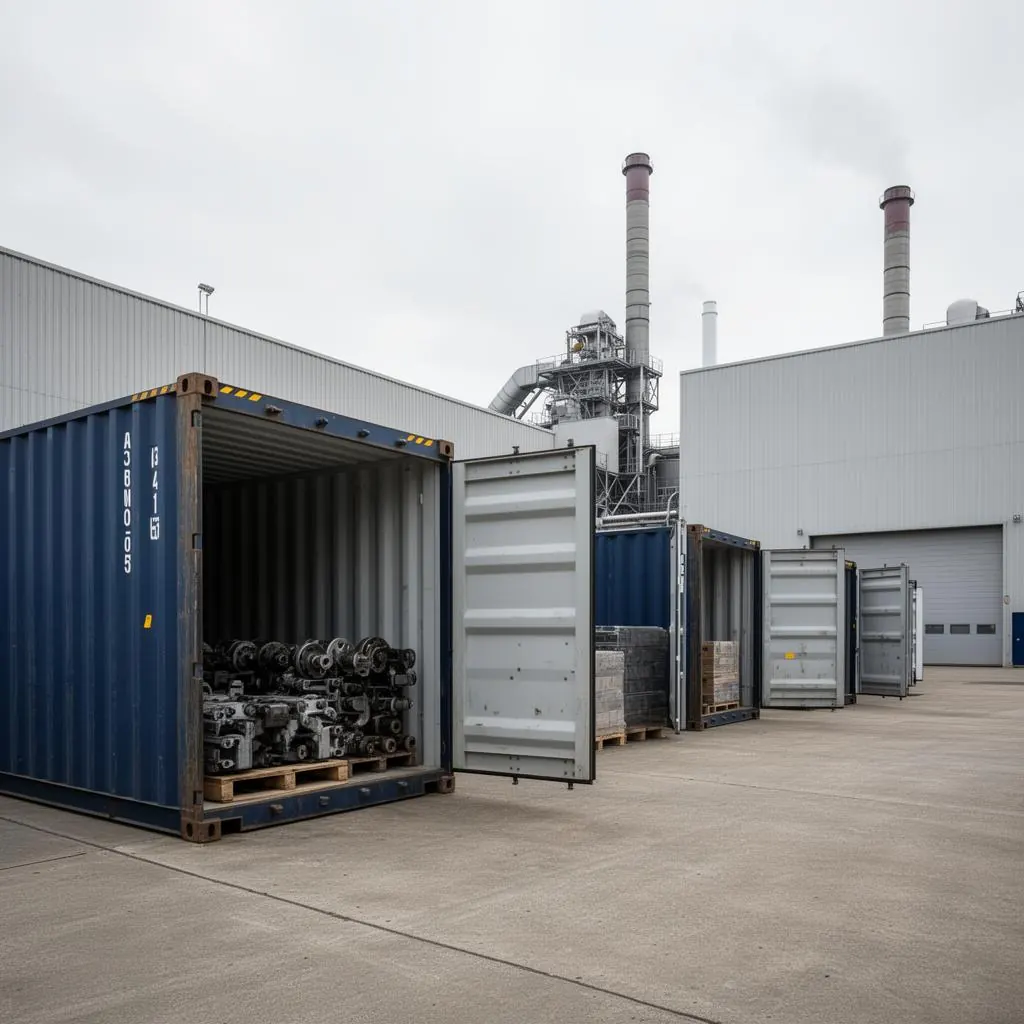 Use case
Industrial Storage & Depots
Long-term container deployments for industrial sites. Modular, scalable storage without permanent construction costs.
Explore the use case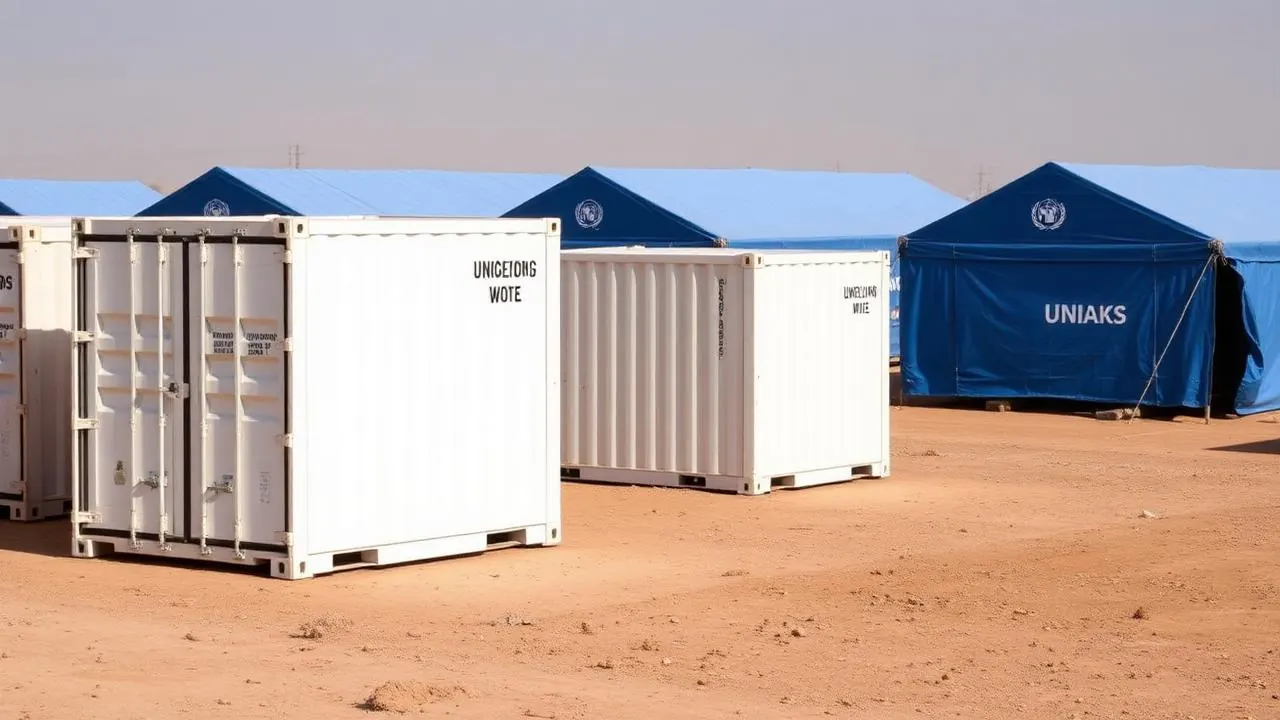 Use case
Humanitarian & Emergency Response
Rapid deployment container solutions for crisis zones, NGOs, and emergency logistics operations.
Explore the use case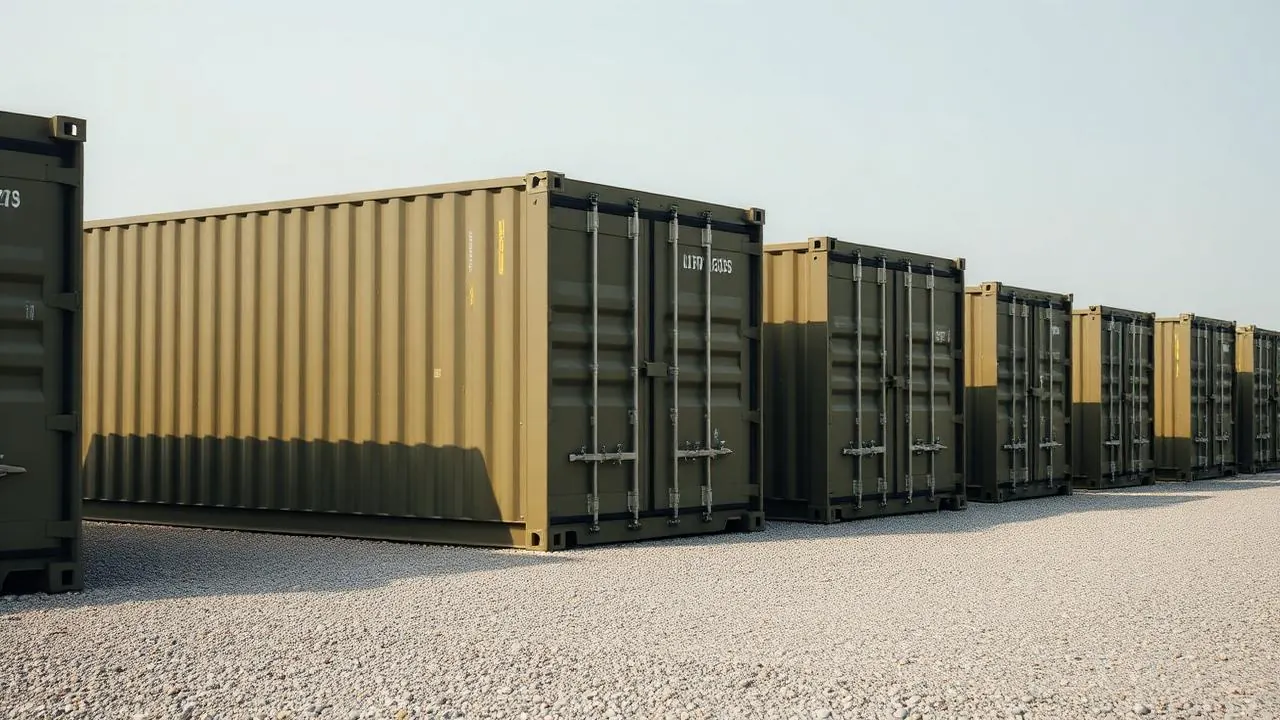 Use case
Military & Defense Logistics
Secure and reliable container solutions for defense operations and sensitive equipment transport.
Explore the use case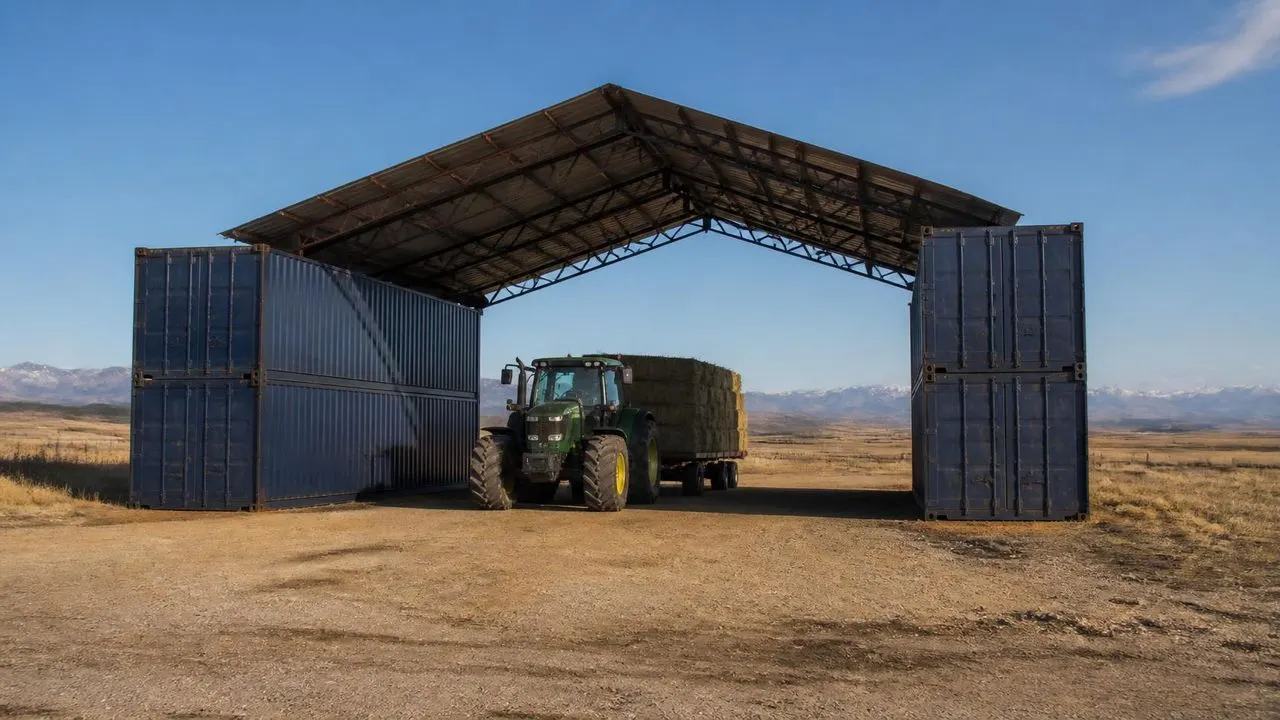 Use case
Agriculture, Farms & Ranches
Lockable storage for feed, seed and tools, container barns and farm workshops.
Explore the use case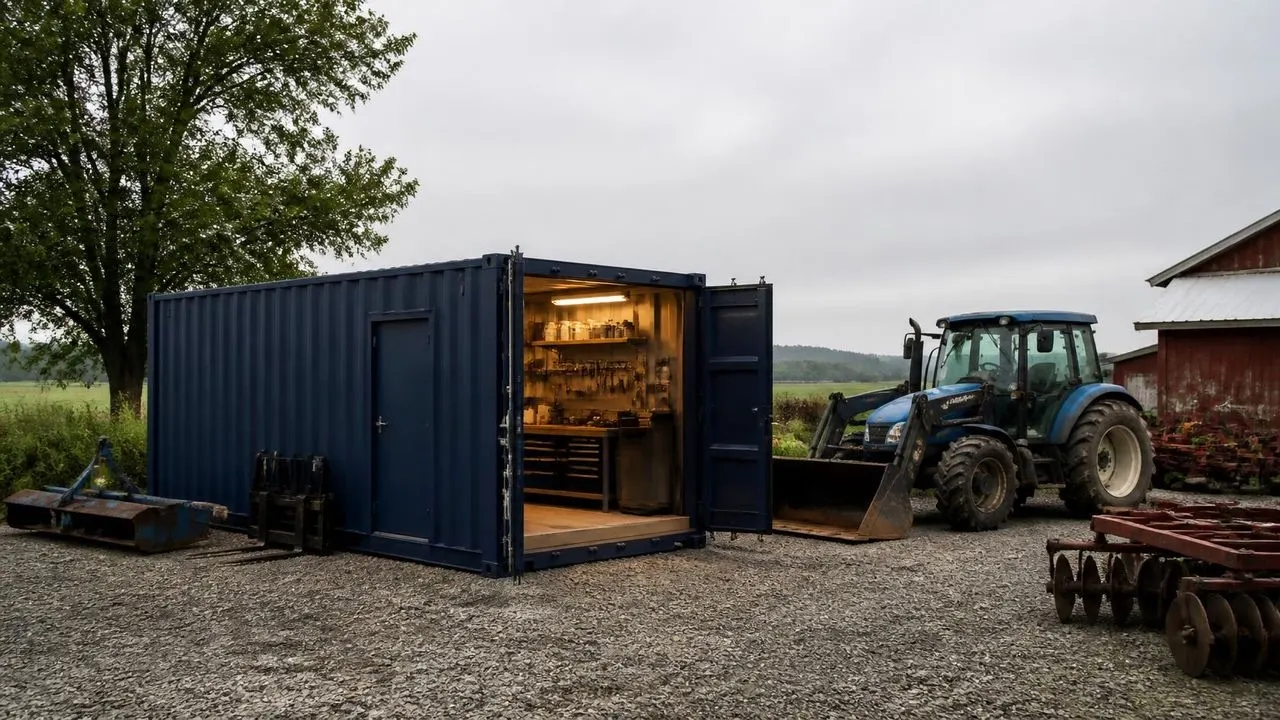 Use case
Workshops, Garages & Sheds
Lockable steel space for tools and trades, motorbike and equipment garages, garden sheds and hobby workshops.
Explore the use case Use case
Cafés, Restaurants, Shops & Gyms
Container shells for coffee kiosks, small restaurants and bars, retail and pop-up stores and fitness studios.
Explore the use case
Explore
Guides and resources
Container Size Guide
Compare 20ft, 40ft and 40HC dimensions, capacities and use cases. Find the right size for your cargo.
Read the guideContainer Grades Explained
Understand the difference between New, IICL, CW, WWT and As-Is grades. Choose the right condition for your needs.
Read the guideCSC Plate Explained
What is a CSC plate, why it matters, and what to check before accepting a container for sea transport.
Read the guideOne-Way Leasing Explained
How SOC one-way leasing works, who it's for, and how it compares to round-trip leasing.
Read the guideBuying vs Leasing a Container
Full cost-of-ownership analysis and a decision framework to guide your procurement strategy.
Read the guide20DC vs 40HC: Which Format to Choose?
Dimensions, payload capacity, and cost-per-CBM comparison to select the right container format.
Read the guideSOC vs COC Leasing Explained
Understand the core difference between Shipper-Owned and Carrier-Owned container programs.
Read the guideNew vs Used Containers
Grade-by-grade analysis, price differentials, and practical fit criteria for equipment condition.
Read the guideCW vs WWT Containers
Compare Cargo Worthy (CW) and Wind & Watertight (WWT) shipping containers, inspection criteria, transport eligibility, storage suitability, US pricing and how to choose.
Read the guideOne Trip vs Cargo Worthy
One Trip vs Cargo Worthy shipping containers, lifespan, corrosion risk, appearance, ROI, US pricing and use cases to decide which grade fits your purchase.
Read the guideContainer Buying Guide
Step-by-step guide to buying a shipping container: grades, inspection, delivery and pricing.
Read the guideContainer Types Explained
Overview of standard container formats including dry, high cube, reefer, flat rack, and open top containers.
Read the guideWhat a Container's Colour Tells You
Colour records who owned the box, not its condition — and what you must not paint over.
Read the guideShipping Container Delivery Guide
Step-by-step shipping container delivery guide for US buyers, truck access requirements, tilt-bed vs crane offload, common delivery issues and a pre-delivery site checklist.
Read the guideShipping Container Foundation and Site Preparation
How to prepare the ground for a shipping container: gravel pad, concrete piers or slab foundation, leveling, drainage and delivery-vehicle access.
Read the guideContainer Scams: How to Verify a Seller Before You Pay
The seven fraud patterns in container trading, the signals that give them away, and a twenty-minute verification procedure.
Read the guideInland Container Depots: How They Work
What an inland depot does, how it differs from a port terminal, what it charges for, and how to choose one for pickup or drop-off.
Read the guideContainer Loading Calculator
Estimate the volume, weight and floor space of your items to compare a 20DC and a 40HC.
Read the guideShipping Container Ventilation and Condensation
Why containers sweat and how vents, desiccant and insulation keep stored goods dry.
Read the guideShipping Container Carports: Two Containers and a Roof
Spans, roof kits, clearance, anchoring and permits for a covered bay between two containers.
Read the guideCSC Certificate vs Seaworthy Certificate: What Each One Proves
CSC approval and seaworthy (cargo worthy) certificates answer different questions: who issues each, what they cover, how long they last, which you need.
Read the guideShipping Container Prices in the USA
Indicative ex-depot ranges by size, grade and city, reviewed monthly, and what a quote should include.
Read the guide
Explore
More market notes
 Market
One record from release to invoice: how MG-Atlantic runs its operations on Krak Stack
Leasing, trading, releases, returns and invoicing on one container record: why MG-Atlantic runs all of its container operations on Krak Stack.
Read the note Market
Why an international trader is opening a container shop in Switzerland
MG-Atlantic launches MG Container, its Swiss shop: new and used containers, to buy or to rent, delivered customs-cleared anywhere in Switzerland.
Read the note Market
September's Import Peak, and What It Leaves Inland
US imports were forecast to peak in September 2026. Where those boxes are emptied, why the inland pool of empties follows weeks later, and what it means for buyers.
Read the note Market
Panama Rations Transits, and Equipment Follows
The canal cut daily transits to 32 and lowered Neopanamax draft. What a water-driven restriction does to container repositioning, and where empties accumulate.
Read the note Market
What a Depot Actually Charges For
Gate fees, lifts, per-day storage, survey, cleaning, repair — what a container depot invoices, and why the same box costs more to keep in one port than another.
Read the note Market
Cape Routing and Container Availability
When vessels route around the Cape instead of through Suez, the equipment consequences outlast the schedule ones. What longer rotations do to container availability, and how to plan around them.
Read the note Market
Why Container Availability Differs by Port
Containers accumulate where cargo arrives and disappear where it departs. How trade imbalance shapes what you can actually collect, port by port.
Read the note Market
The Container Availability Calendar
Container supply moves on a predictable annual rhythm — pre-holiday export rushes, factory shutdowns, and the quiet weeks that follow. What to plan around.
Read the note