Long-Term Leasing
Strategic Long-Term Container Leasing Programs
Structured multi-year fleet allocation frameworks for shipping lines and NVOCCs, built to secure capacity, stabilize costs, and maintain carrier-neutral deployment.
Swiss-based •Global depot network •Structured allocation •Governance & reporting
Structured Long-Term Capacity
How Structured Long-Term Programs Work
Long-term leasing programs secure container capacity across defined trade lanes for 12–48 months. Instead of sourcing equipment shipment by shipment, operators commit to structured allocation with agreed standards and governance.
Defined Volume & Regions
Secure consistent equipment availability across your primary trade lanes with a fixed-volume allocation. This eliminates the uncertainty of spot-market shortages and ensures your operations remain fluid.
Standardized Fleet Quality
Maintain a standardized fleet grade specifically tailored to your industrial requirements. All units undergo rigorous inspection to meet IICL-6 or Premium Cargo Worthy standards before deployment.
Structured Pricing & Oversight
Protect your margins with a transparent, fixed-price framework for the entire program duration. Avoid ad-hoc negotiations and volatile market surcharges with a pre-agreed commercial structure.
Financial Strategy
Financial Strategy: CAPEX vs. OPEX
Why top-tier logistics operators shift from asset ownership to strategic long-term leasing.
Direct Purchase (CAPEX)
Traditional Asset Ownership
- Massive upfront capital expenditure.
- Balance sheet bloat and depreciation tracking.
- Full liability for maintenance, repairs, and storage.
- Inflexible fleet size during market downturns.
- Residual value risk at the end of the container's lifecycle.
Long-Term Leasing (OPEX)
Strategic Fleet Agility
- Zero upfront capital required; preserves cash flow.
- Fully tax-deductible operational expense.
- Predictable fixed daily rates for the contract duration.
- Embedded lifecycle management and IICL maintenance standards.
- Scale up or down effortlessly at term maturity.
Industrial Applications
Versatile Industrial Deployment
Our long-term leasing solutions extend beyond the ocean. We provide critical asset support for static infrastructure, secure storage, and specialized industrial site requirements.
Industrial Storage
Optimized for on-site warehousing. High-security, weather-resistant units for long-term inventory overflow and equipment protection.
Infrastructure Projects
Dedicated fleet support for large-scale construction sites, providing secure hubs for materials, site offices, and critical tools.
Logistics Hubs
Scale your regional distribution centers with dedicated long-term allocations. Ideal for depot-based operations and cross-docking support.
Peak Demand Buffer
Strategic reserve capacity for seasonal inventory spikes. Maintain operational continuity without the risk of asset shortages.
Global Network
Global Multi-Region Deployment Oversight
Active long-term allocation programs across surplus and deficit markets.
Allocation Status
Multi-region coordination enabled.
Asset Profile
NEW / IICL / CW, program-defined allocation.
Governance
Defined review cycles and regional reporting cadence.
Trade Lanes
East–West, intra-regional and feeder corridors.
1,023
Projects
3,500+
TEU
87
Countries
193
Partners
Equipment
Available Container Types for Leasing
Core equipment categories available across our global depot network.
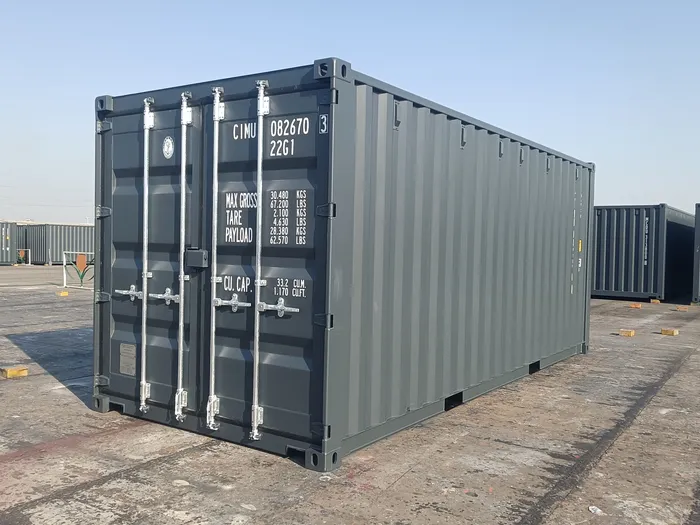
20' Dry Container (20DC)
20-Foot ISO Dry Cargo Unit
Compact Intermodal Unit
Structural Profile
- Length
- 6.10 m(20')
- Width
- 2.44 m(8')
- Height
- 2.59 m(8'6")
- Volume
- 33.2 m³(1,172 cu ft)
The 20ft dry container is the most traded intermodal unit worldwide. Deployed for dense cargo, export shipments, and secure storage across all major trade corridors.
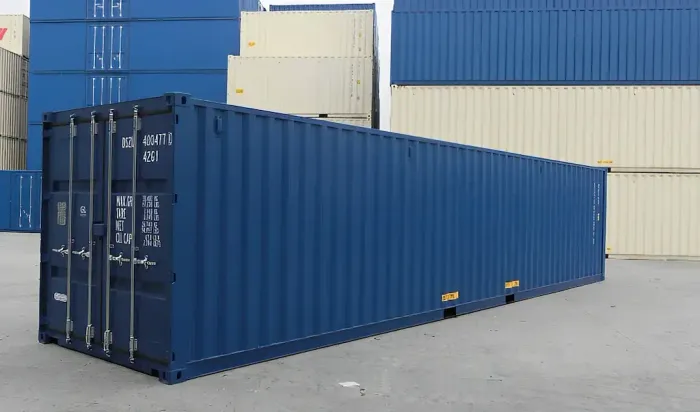
40' Standard Container (40DC)
40-Foot ISO Standard Freight Unit
Standard Full Container Load
Structural Profile
- Length
- 12.19 m(40')
- Width
- 2.44 m(8')
- Height
- 2.59 m(8'6")
- Volume
- 67.7 m³(2,390 cu ft)
The 40ft standard container doubles loading capacity, serving as the primary unit for full container loads on intercontinental trade lanes.
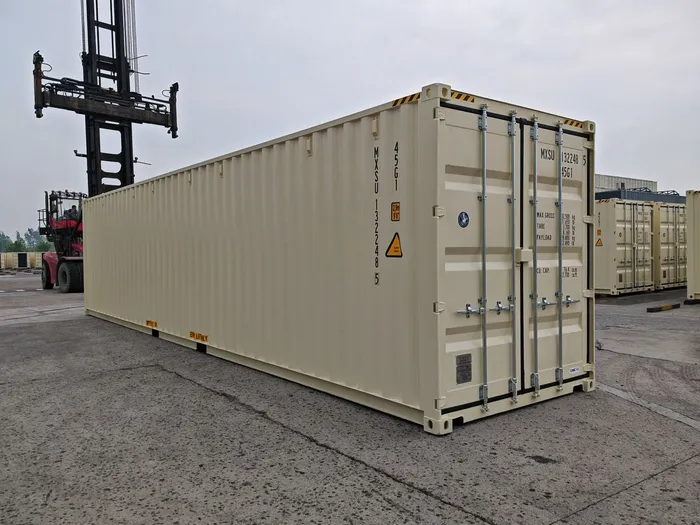
40' High Cube (40HC)
40-Foot ISO High Cube Unit
High-Capacity Volume Unit
Structural Profile
- Length
- 12.19 m(40')
- Width
- 2.44 m(8')
- Height
- 2.89 m(9'6")
- Volume
- 76.3 m³(2,694 cu ft)
The 40ft High Cube provides maximum cubic capacity for voluminous and lightweight cargo. The preferred unit for SOC one-way leasing programmes worldwide.
Need another type of container for leasing? Request a Quote
Governance
Long-Term Program Structure
Program Horizon & Trade Lanes
Multi-year capacity aligned with defined trade lanes and committed volume forecasts.
Depot Network Allocation
Capacity positioned across strategic depot clusters to balance regional deployment flows.
Commercial Terms & Asset Standards
Structured pricing framework with defined asset grades (NEW / IICL / CW) and formalized inspection protocols.
Operational Reporting & Performance Control
Ongoing allocation monitoring and KPI-based reporting ensuring fleet stability and long-term cost visibility.
Methodology
Program Lifecycle
Scope & Volume
Define lanes, volumes, equipment types, and service levels.
Network Allocation
Position capacity across depots and balance surplus/deficit regions.
Commercial Terms
Agree pricing cadence, release/return rules, and quality standards (IICL / New).
Governance & Reporting
Track deployment KPIs, exceptions, and program performance over time.